Skip to content

#AdWe earn commission on qualifying purchases made through links on this page. It never changes what we pick or how it ranks. How this works.

Foundation

Tinted moisturizer or foundation?

One covers more. The other stays looking like skin for longer. Over 50 that is not a close call in either direction.

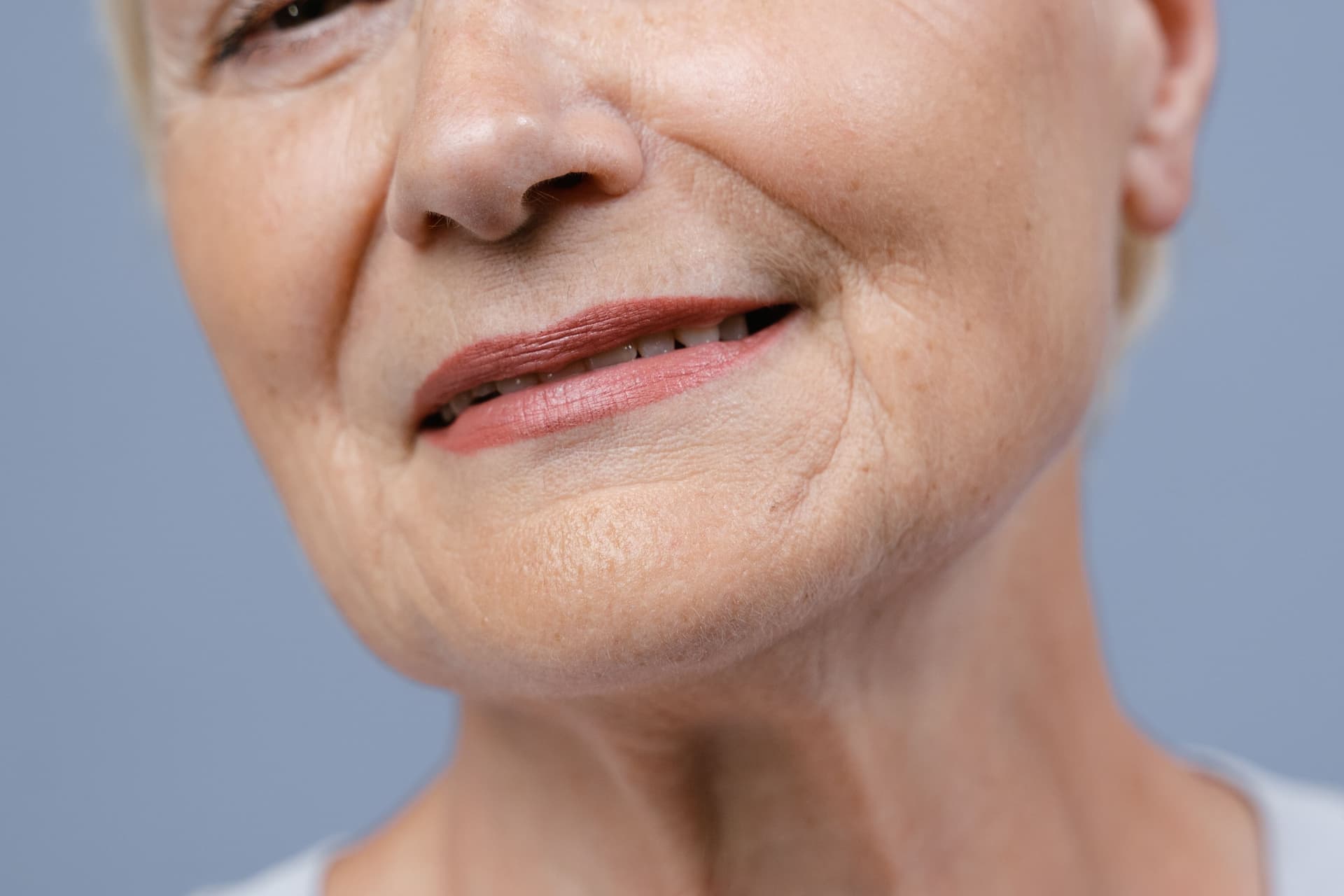
Close detail of an older woman's mouth and skin, showing natural lines and texture

Short answer

For most people over 50 the honest answer is a tinted moisturizer or skin tint on ordinary days and a foundation kept for the days that need it. A thinner film follows a moving face instead of cracking across it, which is why a tinted product usually looks better at four in the afternoon even though a foundation looked better at nine in the morning. Buy the tinted product first — the Trinny London Fearless Skin Tint Drops if budget allows — and treat foundation as the second purchase rather than the default one.

By Brijon M. · Last updated October 17, 2026

Our picks at a glance

Our picks at a glance, ranked. Select a row to read that product's full write-up.
#ProductBest forPrice
1
A plain white cosmetic bottle on a neutral beige background

Trinny London Fearless Skin Tint Drops

The strongest case in this registry for starting with the thin category, and the only product here whose maker states it was formulated for and tested on mature skin — a claim worth noting precisely because it is so unusual, and worth treating as a claim rather than as proof.

Best tinted option overall
2
A plain white cosmetic bottle on a neutral beige background

Estée Lauder Futurist SkinTint Serum Foundation

The extreme end of the thin argument, and useful for exactly that reason.

Best for the thinnest possible film
3
A plain white cosmetic bottle on a neutral beige background

Clinique Even Better Makeup SPF 20

The foundation to own if the answer to this page is that you need one, because it is the thinnest sensible foundation in this registry rather than the most covering.

Best foundation if you need real coverage
4
A plain white cosmetic bottle on a neutral beige background

Lancôme Rénergie Lift Makeup SPF 27

On this list because the usual reason a foundation looks worse than a tinted moisturizer is dryness, and this is the foundation built around that.

Best foundation for dry mature skin

Prices live on Amazon and change constantly, so this site does not print a number it cannot verify. Every button goes to the current listing.

Why this is hard over 50

The question is nearly always asked the wrong way round. People ask which product is better for mature skin, and the answer depends entirely on a variable nobody mentions in the question: how long you need it to last, and how closely anyone will be looking.

What separates the two is film thickness, and almost nothing else. A foundation lays down a thicker, more pigmented layer. A tinted moisturizer or skin tint lays down a thin, sheer one. Everything else that gets attributed to the two categories — the dewiness, the naturalness, the staying power — follows from that single difference.

Thickness buys coverage and costs flexibility. This is the whole trade. A thicker film hides more, and it is also less able to move with a face that is moving constantly. Over 50 there is more surface texture for a thick film to break across, and less oil underneath to keep it pliable, so the same foundation that looked immaculate at nine has visibly settled into the smile lines by two. A thin film has less to hide and much less to fracture.

Coverage is also more negotiable than people think. Most of what a mature face wants covered is not spread evenly across it — it is two or three specific things: some redness at the cheeks and nose, some pigmentation on the temples and forehead, maybe shadow under the eyes. A sheer base plus spot concealing addresses all three with a fraction of the film. Covering the whole face to fix three patches is the commonest reason a base looks heavier than it needed to be.

The tinted category is not one thing, and the names are not reliable. Tinted moisturizer, skin tint and tinted serum all describe the same basic proposition — a thin, sheer, hydrating layer with some color — and the differences between them are smaller than the differences between brands. What matters is sheer-to-light coverage and a skin-like finish, however the box is labeled. Best tinted moisturizer for mature skin covers that category on its own.

And sun protection is a real tiebreaker. Several of the thin options carry an SPF figure, and the SPF in a tinted product applied generously is closer to a usable dose than the SPF in a thin layer of foundation. If you want sun protection and color in one step, the thin categories are the ones that make sense of it.
The decision table

Tinted moisturizer / skin tintFoundation
CoverageSheer to lightLight to full, buildable
Film thicknessThin — follows expressionThicker — can crack across texture
How it looks at 9amLike better skinMore even than skin
How it looks at 4pmFaded, still skin-likeSettled into lines unless managed
ApplicationFingers are enoughSponge or brush, pressed
Needs powderRarely, T-zone at mostUsually, on the T-zone
Hides redness or pigmentationNot on its ownYes, with a corrector under it
PhotographsCan look thin under flashMore even under flash

The picks in full

A plain white cosmetic bottle on a neutral beige background
Best tinted option overall

Trinny London Fearless Skin Tint Drops

tinted moisturizer · Premium price band

A buildable skin tint the brand states was formulated for and tested on mature skin, with sheer-to-light coverage.

The strongest case in this registry for starting with the thin category, and the only product here whose maker states it was formulated for and tested on mature skin — a claim worth noting precisely because it is so unusual, and worth treating as a claim rather than as proof. It is a buildable skin tint with sheer-to-light coverage, so it is thin enough to move with expression but can be concentrated where you want more. The pump bottle has a flat top and a wide stackable body, which is easier to use and harder to knock over than a slim bottle.

How it handles

Pump bottle with a flat top and a wide, stackable body.

What to know

Premium price, and sheer-to-light coverage genuinely will not hide significant redness or pigmentation on its own — plan on a corrector or concealer for the two or three places that need it. Buildable has limits: three layers of a thin product is a thick product, with the same cracking problem.

A plain white cosmetic bottle on a neutral beige background
Best for the thinnest possible film

Estée Lauder Futurist SkinTint Serum Foundation

serum foundation · Premium price band

A very fluid serum tint with sheer-to-light coverage and a skin-like finish.

The extreme end of the thin argument, and useful for exactly that reason. A very fluid serum tint with sheer-to-light coverage and a skin-like finish puts down about as little film as the category offers, which makes it the structural answer for anyone whose complaint is that every base they try eventually sits in their lines. It is thin enough to spread with fingers, so no tool is needed at all, and the pump meters the dose — two fewer things to manage in the morning.

How it handles

Pump dispenser. The formula is thin enough to spread with fingers, so no tool is required.

What to know

Sheer-to-light really does mean sheer, so this is the least covering option here and it is a trade rather than a free upgrade. Premium price, and a skin-like finish shows shine on an oily T-zone by the afternoon.

A plain white cosmetic bottle on a neutral beige background
Best foundation if you need real coverage

Clinique Even Better Makeup SPF 20

liquid foundation · Mid price band

A lightweight liquid with medium coverage, a natural finish and a wide shade range.

The foundation to own if the answer to this page is that you need one, because it is the thinnest sensible foundation in this registry rather than the most covering. A lightweight liquid with medium coverage, a natural finish and a wide shade range is the right place to land: enough film to even out redness and pigmentation, little enough to stay flexible, and a natural rather than radiant finish so it is not returning light into your texture. Mid price and a pump bottle, which also makes it the easiest foundation here to meter.

How it handles

Pump bottle.

What to know

Medium coverage is medium, so significant redness still wants a corrector underneath, and anyone looking for full coverage is on the wrong product. SPF 20 is the lowest SPF figure of any SPF base here. Like any liquid it wants two thin passes rather than one thick one, which is more time than a tint.

A plain white cosmetic bottle on a neutral beige background
Best foundation for dry mature skin

Lancôme Rénergie Lift Makeup SPF 27

liquid foundation · Premium price band

A medium-coverage liquid with a natural finish, formulated around hydration and SPF 27.

On this list because the usual reason a foundation looks worse than a tinted moisturizer is dryness, and this is the foundation built around that. It is a medium-coverage liquid formulated around hydration with SPF 27 — so it gives you the coverage a foundation is for while keeping the film more pliable than a long-wear matte formula does, which is the property that decides how it looks at four rather than at nine. It comes in a pump bottle, so one hand will do.

How it handles

Pump bottle.

What to know

Premium price, and medium coverage with a natural finish rather than a full-coverage result. A hydration-led formula is the wrong direction for an oily T-zone, and SPF 27 in a foundation layer is thinner than the dose sunscreen testing assumes.

How to decide, in order

Start with how long you need it. Under four hours, the thin option wins almost every time. A full working day with photographs at the end of it is what a foundation is for.

Then ask what you are actually covering. Two or three patches means a sheer base plus spot concealing. Diffuse redness across most of the face is a genuine foundation case — see best foundation for mature skin rosacea.

Then check how dry your skin is. If it flakes anywhere, the thin option will look better and the foundation will look worse, and no amount of technique closes that gap. Fix the dryness first.

Then count your hands and your minutes. A tint spreads with fingers in thirty seconds. A foundation wants a damp sponge and two passes. That difference matters more at 75 than at 55.

Then check for a camera. Sheer bases can look thin and uneven under a flash while foundation holds up — best foundation for photos covers that case.

Then buy the thin one first anyway. It is the one you will wear more often. The foundation is a second purchase for specific days, and framing it that way usually gets people a base they actually like.

What each one needs from the rest of the routine

A tinted product usually needs no primer. It is already thin and usually hydrating, so a primer underneath mostly adds a layer to pill against. The exception is grip on an oily T-zone.

A foundation over 50 nearly always wants a primer, and a specific one — the layering argument is on how to layer primer and foundation.

A tinted product rarely needs powder. A trace on the nose if anything. Powdering a sheer base is how it stops looking like skin, which was the only reason to choose it.

A foundation usually needs powder, on the T-zone only, pressed not swept. That is the step where most mature foundation routines go wrong — best setting powder for mature skin.

Both want the concealer after the base, not before. Once the base is down you can see how much darkness is left, which is almost always less than you expected — the reasoning is on concealer before or after foundation.

Both want sun protection in or under them. The thin categories carry it more usefully, because the layer you apply is closer to the amount SPF testing assumes.

What we have and haven't established

The central claim here is mechanical, and we state it as reasoning rather than as a tested result: a thicker, more pigmented film on a surface that moves constantly is less able to follow that movement, so it fractures, and the fracture edges catch light. That mature skin carries more surface texture and produces less sebum — which would otherwise keep a film pliable from underneath — is a documented feature of aging skin rather than a claim unique to this site.

That sunscreen testing uses a specific application density, and that a thin cosmetic layer is usually less than that density, is ordinary sunscreen practice. How much protection any given person gets from an SPF base we have not measured and will not estimate.

Trinny London's statement that the Fearless Skin Tint Drops were formulated for and tested on mature skin is the brand's own claim, cited below. We treat it as a reason to feature the product rather than as verified performance.

Coverage levels, finishes, textures, SPF figures and container formats come from the manufacturer and retailer listings cited below. Every product was confirmed currently on sale before being featured.

We have not tested these products, photographed wear through a day, measured film thickness, or run a panel. There is no laboratory behind this site. Where this page says one option looks better by late afternoon, that is a conclusion drawn from the mechanism above.

What we'd skip

Full coverage foundation as an everyday base over 50. It is the most film on the most texture with the least oil underneath, and it is the single commonest reason a mature base looks heavy.

Building a tinted moisturizer in three layers to get foundation coverage. Three thin layers are a thick layer, with the same cracking and none of the pigment efficiency.

Powdering a skin tint across the whole face. It removes the one quality you bought it for.

Choosing between the two on dewiness. Both categories come in dewy and natural finishes, and finish is a separate decision from thickness — dewy vs matte foundation handles it.

Treating a tinted moisturizer as skincare. It is a cosmetic with a moisturizing base. It is not a replacement for a moisturizer that suits your skin.

Buying a foundation to cover something a corrector would fix in one spot. Correct the patch, keep the base thin.

Questions people ask

Is tinted moisturizer or foundation better for mature skin?

For most people over 50, a tinted moisturizer or skin tint on ordinary days and a foundation kept for days that need the coverage. The thin film follows a moving face instead of cracking across it, which is why it usually looks better by late afternoon even if foundation looked better in the morning.

What is the difference between tinted moisturizer and foundation?

Film thickness, and almost nothing else. Foundation lays down a thicker, more pigmented layer that hides more and flexes less; a tinted moisturizer lays down a thin sheer one that hides less and moves with your face.

Does tinted moisturizer cover redness or age spots?

Not on its own. Sheer coverage evens overall tone but will not hide a discrete spot or a patch of redness. A corrector or concealer on the two or three places that need it, under or over a sheer base, covers more with much less film than a full-coverage foundation.

Is tinted moisturizer good for dry mature skin?

It is usually the better choice, yes — thin and hydrating is the right direction on skin that flakes, and a thicker foundation on a shedding surface cannot adhere evenly. Fixing the dryness still comes first.

Do I need primer with a tinted moisturizer?

Usually not. It is already a thin, hydrating layer, so a primer underneath mostly gives it something to pill against. The exception is a grip primer on an oily T-zone if the tint is sliding.

Should I own both?

Most people over 50 are best served owning both and reaching for the thin one by default. Buy the tinted product first — it is the one that gets worn — and add a foundation for long days, photographs and events.

Where this comes from

How this page was put together. Picks are chosen by reading formulas, ingredient lists, packaging and dispensing design, and the reported experience of people with mature skin. Primer & Poise does not operate a laboratory, does not run a tester panel, and does not claim professional cosmetology, esthetics or medical credentials. Where a figure or a claim could not be verified, this page says so instead of filling the gap. Read the full selection method.

Sources