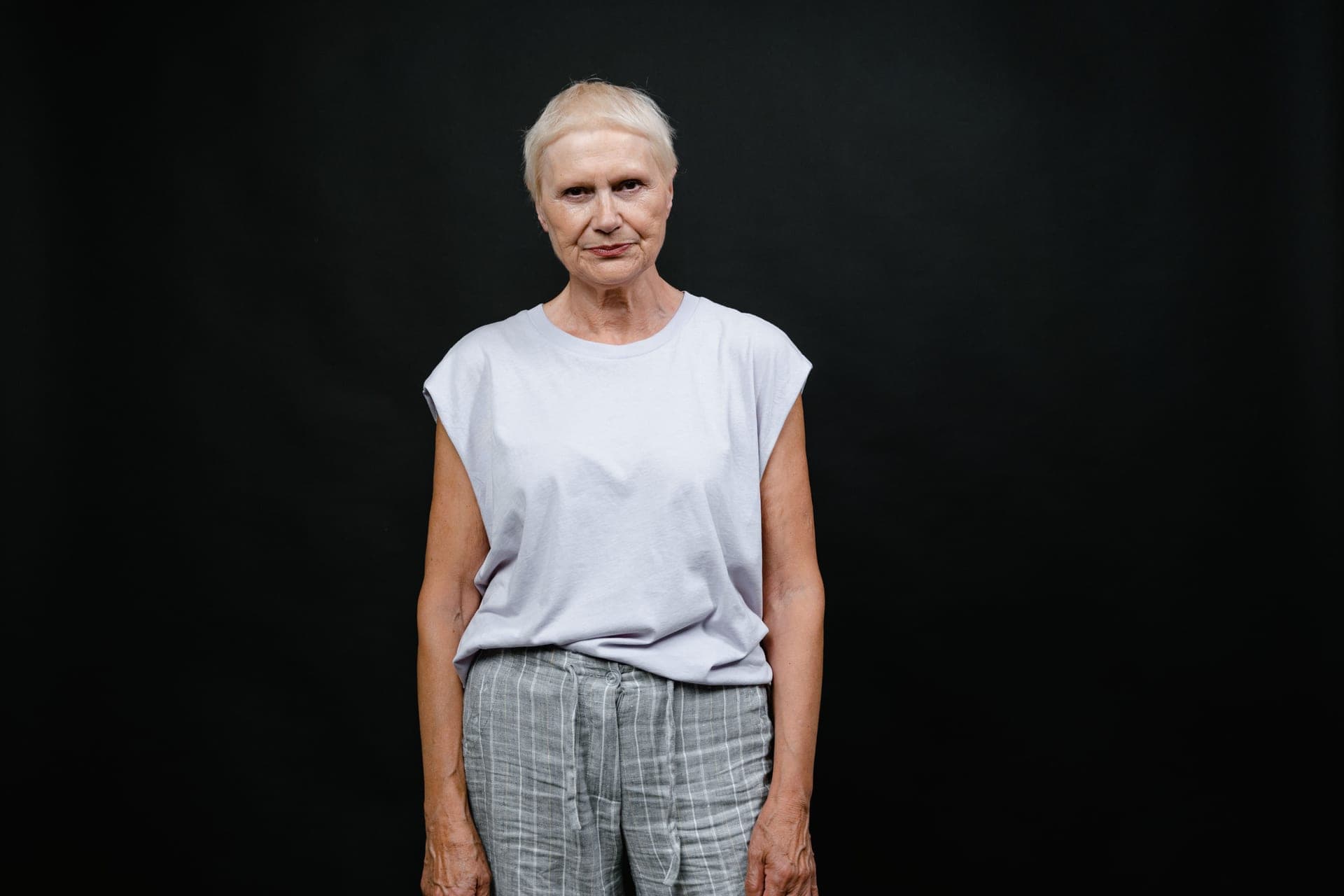
There is a quiet consensus among people who dress mature faces for a living that the base should be lighter than you think. The reason is not modesty about coverage, it is optics: skin that has lost some surface oil and some firmness looks better when light moves through a thin, hydrated layer than when it hits a thicker, flatter one. Less product reads as better skin, which is counterintuitive the first time you try it and obvious the second.
A tinted moisturizer is the honest version of that. It is a moisturizer first — the hydration is the active part — with enough pigment to even out tone. It does not pretend to cover and it is not sold on longwear, so the formula has no reason to include the hard films and oil absorbers that cause problems on mature skin.
Two things to check before buying. The SPF, if that is why you are buying it. Tinted moisturizers often carry SPF 15 or 20, which is below what most dermatological guidance suggests for daily use and well below what a dedicated sunscreen gives you. If sun protection is the point, use a proper SPF underneath and treat the tint as cosmetic. And the finish, because a dewy tint on visibly textured skin picks out the texture.
What a tinted moisturizer will not do is cover anything. If you have age spots, visible capillaries or real unevenness, this is a layer under concealer, not a replacement for it — and that two-product routine uses less product overall than a medium-coverage foundation does.