Skip to content

#AdWe earn commission on qualifying purchases made through links on this page. It never changes what we pick or how it ranks. How this works.

By Concern

Pick by what your skin does

Sensitivity, rosacea, dryness, oiliness and open pores. Concerns that decide a whole routine, not just a foundation.

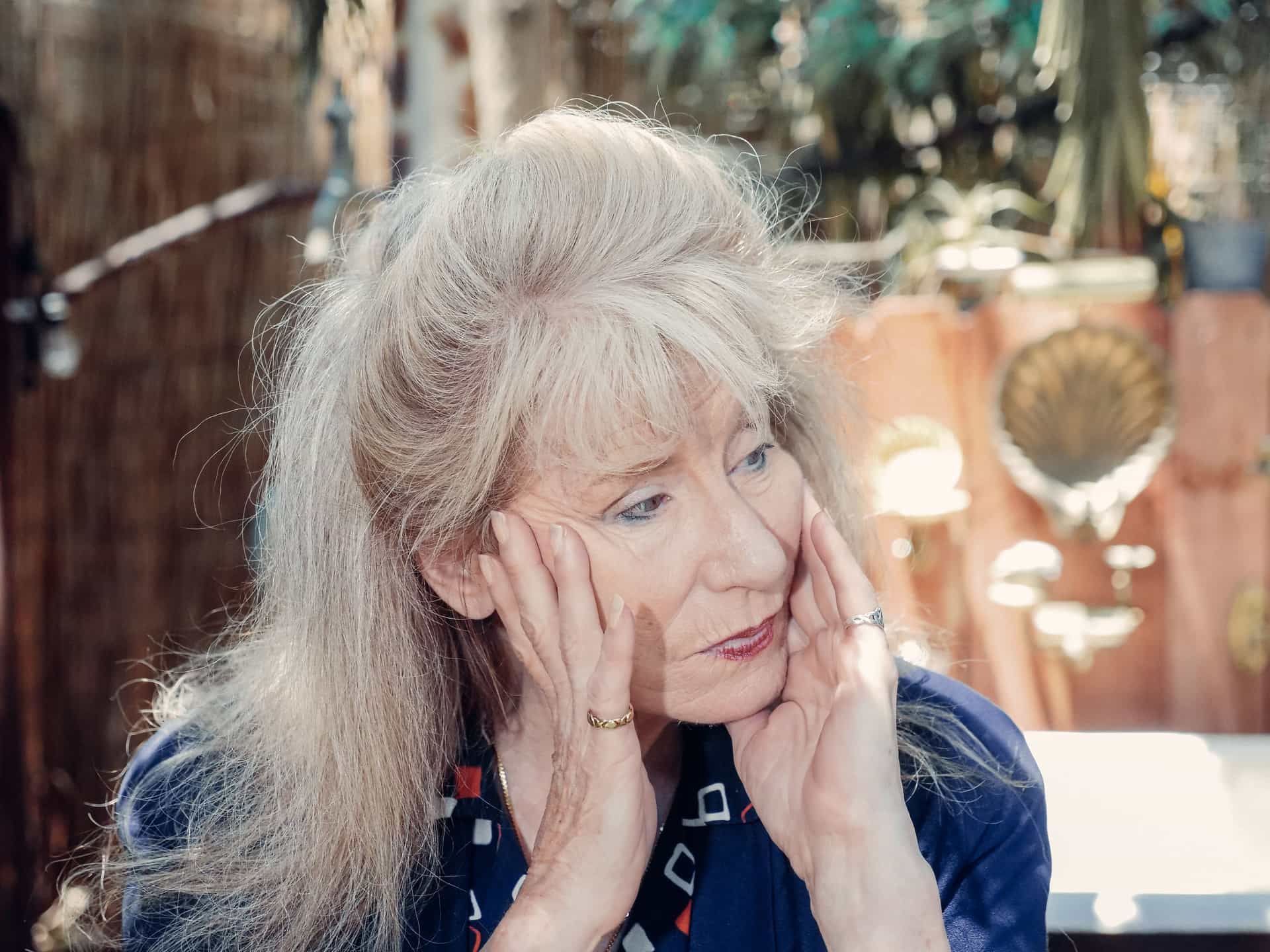
A woman in her sixties with long gray hair resting both hands against her face, photographed in daylight

Start here

Age tells you how your skin has changed; concern tells you what to buy. If your skin reacts, start with fragrance-free formulas and a short ingredient list. If it is red, correct the color rather than covering it. If it is dry, every product in the routine needs slip, not just the foundation. Each page here covers a whole routine rather than one product.

What by concern does for skin over 50

The rest of this site is organized by product and by decade, and both are useful. Neither answers the question most people actually arrive with, which is not "what foundation" but "what do I do about my skin" — and the honest answer is almost never one product.

A concern changes a routine, not a slot. If your skin stings when you try something new, the fix is not a sensitive-skin foundation sitting on top of a fragranced primer and under a fragranced powder; it is a routine where every layer has been chosen on the same criteria. If the problem is redness, a foundation thick enough to cover it looks worse than a thin corrector under a thin base. If the problem is dryness, a hydrating foundation over an unhydrated face will still cling by lunchtime. In every case the product that fails is rarely the product at fault.

The first three were chosen because they get worse with age, not better. Skin becomes more reactive as the barrier thins and the lipid layer weakens, so people who never had sensitive skin develop it in their fifties and sixties. Rosacea prevalence rises with age and so does the visible flushing and vessel change that comes with it. And sebum production falls steadily from midlife, so dryness arrives for almost everyone eventually, whatever their skin did at twenty-five.

The two newer pages are here because the routine ORDER is what fails, not the product. An oily mature face goes wrong when mattifying products creep off the T-zone onto cheeks that are already dry, and an open-pored face goes wrong at the stroke — a sweeping brush drives product into the opening where it sits in shadow and reads darker. Neither of those is something a foundation page can fix, which is why they earned a whole-routine page: makeup for mature oily skin and makeup for mature skin with large pores. The same is true of a combination face, where the standard instruction to mattify the middle is the thing making it worse: makeup for mature combination skin.

What is not here is as deliberate as what is. There is no acne page, because acne-prone mature skin is covered at product level on best foundation for mature skin acne prone and a whole-routine page would mostly repeat it. We add a concern page when a whole routine genuinely changes, not to fill a grid.

Everything here is a product-selection argument, never a treatment one. Rosacea is a medical condition, persistent reactions need a doctor, and nothing on this site diagnoses or treats anything. What these pages do is narrow a shopping decision for someone who already knows what their skin does.

The through-line across all three: fewer layers, more slip, and the same selection criteria applied to every product in the routine rather than only to the foundation. That is the one piece of advice that is true for every concern on this page, and it is the one most routines break.
Every by concern page

Which page you want

If products sting, itch or leave your face flushed an hour later — that is reactivity, and the fix is a fragrance-free routine chosen on ingredients rather than on finish. Makeup for mature sensitive skin.

If the redness is there before you put anything on — persistent central-face redness, visible vessels, flushing that comes and goes — that is a color problem before it is a coverage problem. Makeup for mature skin with rosacea.

If your face feels tight by mid-morning and everything clings to flakes — the base is not the issue; the surface is. Makeup for mature dry skin.

If your face is genuinely shiny all over rather than only on the T-zone — and over 50 that is rarer than it sounds — the whole routine has to be zoned rather than mattified. Makeup for mature oily skin.

If the complaint is visible openings on the nose, inner cheeks and center forehead — the tool and the stroke matter more here than the formula does. Makeup for mature skin with large pores.

If your nose shines by lunchtime while your cheeks feel tight - the commonest pattern of all over 50, and usually one problem rather than two. Makeup for mature combination skin.

If more than one applies, which is common, start with dryness. A hydrated surface improves how every other product behaves, and it is the cheapest change available.

If your shine is confined to the nose, forehead and chin while your cheeks feel tight, you are looking for combination skin rather than a concern page — best foundation for mature combination skin is the right page.

If the limiting factor is your hands or your eyes rather than your skin, read easy application instead. That is a different axis and it outranks everything here.

Questions people ask

What is the best makeup for mature sensitive skin?

A fragrance-free routine chosen on ingredients rather than on finish — a mineral or short-ingredient base, a fragrance-free concealer, and tubing mascara for reactive eyes. The product that causes a reaction is often the primer or the powder rather than the foundation.

What makeup is best for rosacea over 50?

A thin green or yellow corrector where the redness is concentrated, then a light-coverage base over it. Correcting the color takes far less product than covering it, and less product is what a rosacea-prone face wants.

What makeup should I use on mature dry skin?

Serum foundations, balm sticks and cream textures, with no powder anywhere except a trace on the T-zone if you need it. Hydrate the surface for a fortnight before changing products — on flaking skin nothing sits flat.

Should I choose makeup by age or by skin concern?

By concern, when you have one. Age describes how your skin has changed and concern describes what it is doing now, and what it is doing is what decides which products work.

Can makeup make rosacea or sensitivity worse?

It can. Fragrance, essential oils and heavy occlusive layers are the common culprits, and removal matters as much as application — scrubbing a reactive face with a cotton pad does more damage than most products. None of this is medical advice; persistent reactions are a question for a doctor.

Where to go next

Everything on this site starts from makeup for mature skin, and the method behind every pick is on how we choose.