Skip to content

#AdWe earn commission on qualifying purchases made through links on this page. It never changes what we pick or how it ranks. How this works.

By Concern

When nothing sits flat

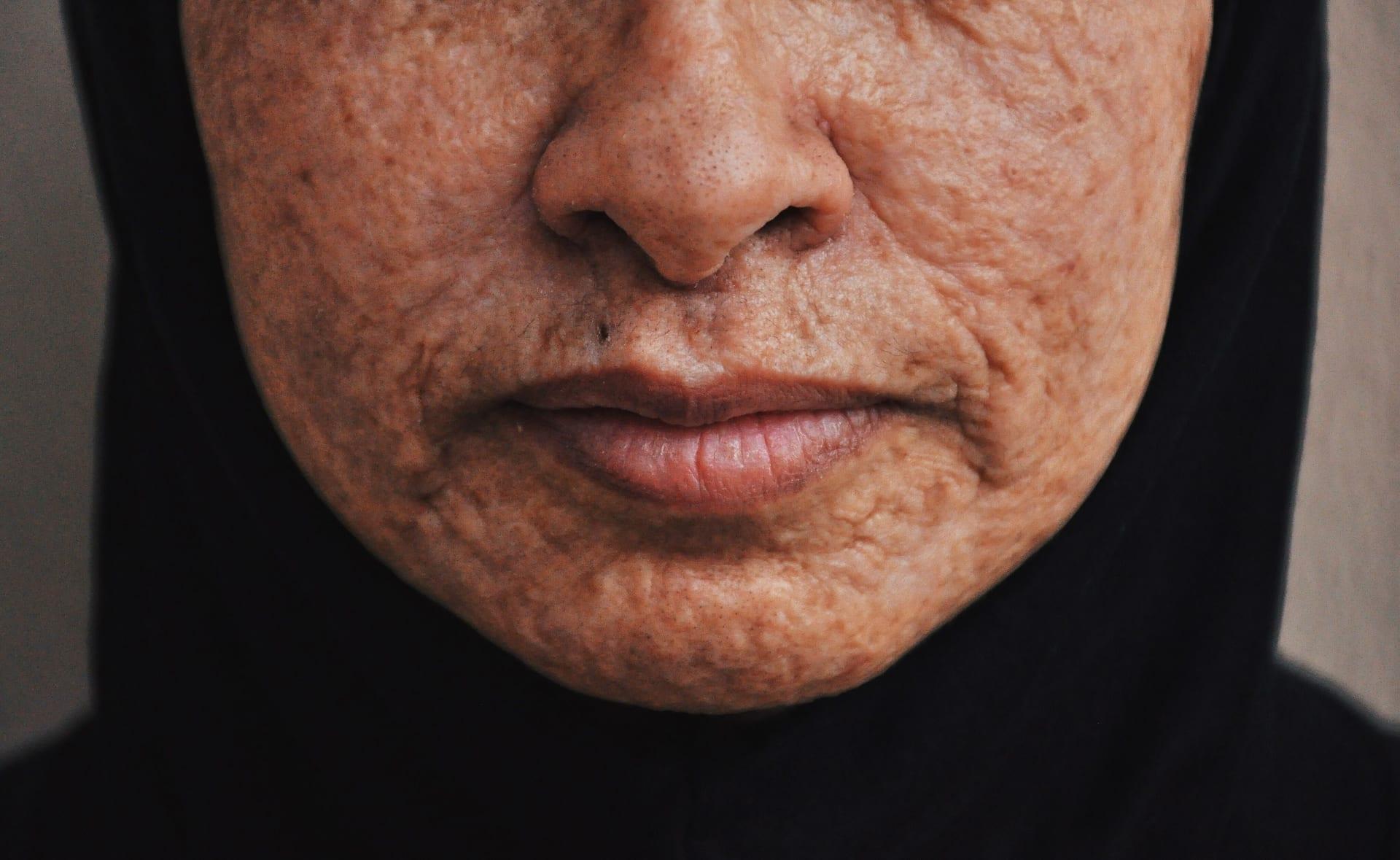
On dry mature skin the foundation is rarely the problem. The surface under it is.

Close detail of an older woman's mouth and cheeks, showing lines, texture and uneven pigmentation

Short answer

The L'Oreal Age Perfect Radiant Serum Foundation with SPF 50 is the base: a fluid serum with a luminous finish, which is the texture class that does not cling. Put the Merit Great Skin Priming Moisturizer under it so one product does two jobs, and use cream textures everywhere else — the e.l.f. Hydrating Camo Concealer and a cream shadow stick rather than powders. But if there is visible flaking, spend two weeks on hydration before you change a single makeup product.

By Brijon M. · Last updated October 16, 2026

Our picks at a glance

Our picks at a glance, ranked. Select a row to read that product's full write-up.
#ProductBest forPrice
1
A plain white cosmetic bottle on a neutral beige background

L'Oréal Paris Age Perfect Radiant Serum Foundation with SPF 50

Serum foundation is the texture class with the most slip in the category, and this is the most accessible one in the registry.

Best base
2
A plain white cosmetic bottle on a neutral beige background

Merit Great Skin Priming Moisturizer

The argument for this one is subtraction.

Best layer underneath
3
A plain white cosmetic jar photographed on a neutral studio background

Ogee Sculpted Complexion Stick

When a serum is not enough, this is the richest base in the registry.

Best for very dry skin
4
A plain white cosmetic jar photographed on a neutral studio background

Westman Atelier Vital Skin Foundation Stick

A balm-textured stick that buffs out to light-to-medium coverage with a satin finish, and the stated design priority — not dragging on skin — is the single most useful property on a surface that has lost pliability.

Best for a face that drags
5
Cosmetic products arranged in a simple display in neutral tones

e.l.f. Cosmetics Hydrating Camo Concealer

Under-eye skin is the driest and thinnest on the face, and a drier concealer there has nothing to grab and sits visibly on top.

Best under-eye
6
Cosmetic products arranged in a simple display in neutral tones

Bobbi Brown Long-Wear Cream Eyeshadow Stick

Powder eyeshadow on a dry mature lid is the eye-area version of the whole problem on this page: loose pigment catches on every lifted edge and then migrates into the crease.

Best for the eyes

Prices live on Amazon and change constantly, so this site does not print a number it cannot verify. Every button goes to the current listing.

Why this is hard over 50

Dry skin is the concern most people over 50 eventually have, and it is the one where changing foundation helps least. Almost every complaint that gets blamed on a product is really a complaint about the surface it was applied to.

Why it arrives, and keeps arriving. Sebum production falls steadily from midlife, and sebum is part of what holds water in the upper layer of skin. Less of it means more water escapes, the surface becomes less pliable, and the outermost cells lift at the edges instead of lying flat. Those lifted edges are what every product then catches on, and a barrier in that state is also the one most likely to start reacting to things it used to tolerate. This is a progressive change rather than a phase, which is why the routine that worked at fifty-five often does not at sixty-five.

And why makeup makes it look worse rather than causing it. Nothing you apply can lie flat on a surface that is shedding. Foundation gathers where it can grip, which is the flakes, so the one thing you wanted to disguise becomes the most visible thing on your face. Powder is the extreme case: it has nothing to bind to on dry skin and clings to every lifted edge. This is the single most common reason people over 60 decide makeup has stopped working for them.

So the order of operations is the whole page. Fix the surface, then choose textures with slip, then use as few of them as the result allows. The site covers the base decision on best foundation for mature dry skin and the layer beneath it on best primer for mature dry skin. What neither does is sequence a whole morning, which is what this page is for.

The criterion that runs through every pick below is slip. Enough oil or silicone in the formula that the product glides across a lifted edge or a crease rather than settling into it. Slip matters more than hydration claims, more than coverage, and considerably more than finish — and it is the property no label states, which is why it has to be inferred from texture class.

One honest warning about the word hydrating. A hydrating foundation applied to an unhydrated face is still a foundation on an unhydrated face. The product cannot do the skincare's job, and the two weeks of boring work described below will do more than any purchase on this list.

The decision table

PickStepTexture classWhy it does not cling
Merit Great Skin PrimerUnder the baseMoisturizer-primer hybridHydrating, non-mattifying, one fewer layer
L'Oreal Age Perfect SerumBaseSerum foundationThinnest texture class, most slip
Ogee Sculpted Complexion StickBase, richer optionOil-rich cream stickJojoba, coconut and sunflower oils
Westman Atelier Vital Skin StickBase, premium optionBalm stickBuilt around not dragging on skin
e.l.f. Hydrating CamoUnder-eyeHydrating cream concealerSatin finish, melds rather than sitting on top
Bobbi Brown Shadow StickEyesCream shadowNo loose powder to catch on a dry lid

The picks in full

A plain white cosmetic bottle on a neutral beige background
Best base

L'Oréal Paris Age Perfect Radiant Serum Foundation with SPF 50

serum foundation · Drugstore price band

A fluid serum-foundation with light-to-medium buildable coverage, a luminous finish and SPF 50.

Serum foundation is the texture class with the most slip in the category, and this is the most accessible one in the registry. It is a fluid serum-foundation with light-to-medium buildable coverage and a luminous finish, and thin is exactly right here — on dry skin a heavier base has more material to catch on a lifted edge, so less product genuinely covers better. The luminous finish works with you rather than against you, because light scattering off the surface is what makes dry skin read as supple rather than flat. SPF 50 is a real second job in the same layer, and the pump dispenses with one press from either hand, no twisting and no shaking.

How it handles

Pump bottle — no twisting and no shaking, and it dispenses with one press from either hand.

What to know

Light-to-medium coverage will not cover significant pigmentation, so plan on concealer in two or three places. The luminous finish shows shine on an oily T-zone if your dryness is patchy, and at SPF 50 there is enough mineral filter to carry flashback risk in photographs.

A plain white cosmetic bottle on a neutral beige background
Best layer underneath

Merit Great Skin Priming Moisturizer

primer · Premium price band

A moisturizer-primer hybrid with a hydrating, non-mattifying finish.

The argument for this one is subtraction. It is a moisturizer-primer hybrid with a hydrating, non-mattifying finish, so one container does the job of two — which on dry mature skin matters twice over, because every layer you remove is one fewer interface for a base to separate at, and one fewer lid to open. Non-mattifying is the specific property to look for: most primers are built to control oil, which is precisely the wrong direction here. A pump makes the dose repeatable.

How it handles

Pump bottle. One container does the job of two, which is one fewer lid to open.

What to know

Premium price for a product that replaces a drugstore moisturizer, so the value depends on whether you actually drop the moisturizer rather than adding this on top. It adds no coverage, and on genuinely flaking skin it is not a substitute for two weeks of proper hydration — nothing in a primer bottle is.

A plain white cosmetic jar photographed on a neutral studio background
Best for very dry skin

Ogee Sculpted Complexion Stick

foundation stick · Premium price band

A creamy, oil-rich foundation stick with light-to-medium buildable coverage and a skin-like finish, built on jojoba, coconut and sunflower oils plus waxes.

When a serum is not enough, this is the richest base in the registry. It is a creamy, oil-rich foundation stick with light-to-medium buildable coverage built on jojoba, coconut and sunflower oils plus waxes — an oil-led formulation gives the maximum slip available in a complexion product, so it crosses a flaking patch rather than catching on it. The skin-like finish keeps it reading as skin, and because it is a twist-up stick it goes straight onto the face one-handed with no dispensing step at all.

How it handles

Twist-up stick, drawn straight onto the face one-handed with no dispensing step.

What to know

Premium price, and an oil-rich base is the wrong answer anywhere you still produce oil — keep it off the T-zone if your dryness is patchy. A stick is also less even across a whole face than a liquid and wants buffing out with a damp sponge, and it deposits more on the first pass than you expect.

A plain white cosmetic jar photographed on a neutral studio background
Best for a face that drags

Westman Atelier Vital Skin Foundation Stick

foundation stick · Premium price band

A balm-textured stick that buffs out to light-to-medium coverage with a satin finish, built around not dragging on skin.

A balm-textured stick that buffs out to light-to-medium coverage with a satin finish, and the stated design priority — not dragging on skin — is the single most useful property on a surface that has lost pliability. Dragging is what lifts a flake and turns it into a visible patch, so a formula built around gliding is attacking the actual failure mode. Satin rather than luminous also makes it the better choice if a dewy finish has read as greasy on you. The wide barrel can be held in a fist rather than pinched, which is the easiest grip of any base here.

How it handles

Twist-up stick with a wide barrel you can hold in a fist rather than a pinch.

What to know

Premium price. A satin finish gives less of the light scatter that makes dry skin look supple than a luminous one does, so it is a trade. Like any stick it is less even across a whole face than a liquid, and the T-zone will show shine by mid-afternoon if you are combination rather than uniformly dry.

Cosmetic products arranged in a simple display in neutral tones
Best under-eye

e.l.f. Cosmetics Hydrating Camo Concealer

concealer · Drugstore price band

A hydrating concealer the brand lists as full coverage, with a satin, crease-resistant finish and an unusually large doe-foot applicator.

Under-eye skin is the driest and thinnest on the face, and a drier concealer there has nothing to grab and sits visibly on top. This is a hydrating medium-coverage concealer with a satin finish, so it melds into the base underneath rather than perching on it, and the hydration is doing real work rather than being a marketing line. The unusually large doe-foot covers more ground per stroke, which means less blending and therefore less dragging at the one place you least want to drag. Drugstore price.

How it handles

Wide doe-foot on a screw cap. The oversized applicator covers more ground per stroke, so there is less blending to do.

What to know

That oversized applicator deposits a lot, which is the opposite of what a dry under-eye wants — tap it onto the back of your hand and work from there with a fingertip. A satin finish shows more on texture than a radiant one, and the screw cap needs two hands.

Cosmetic products arranged in a simple display in neutral tones
Best for the eyes

Bobbi Brown Long-Wear Cream Eyeshadow Stick

eyeshadow · Premium price band

A twist-up cream shadow stick that sets and resists collecting in the crease.

Powder eyeshadow on a dry mature lid is the eye-area version of the whole problem on this page: loose pigment catches on every lifted edge and then migrates into the crease. A twist-up cream shadow stick that sets solves it by construction, because the product goes on as a cream, grips evenly, and leaves no loose powder behind to travel. Drawn straight onto the lid with no brush and no palette, it is also the least fiddly eye product in the registry — a genuine advantage if your hands or your close vision are not what they were.

How it handles

Twist-up stick drawn straight onto the lid, with no brush and no palette.

What to know

Premium price for one shade, so building a wardrobe gets expensive. A stick gives a clean wash rather than a blended gradation, and it has to be blended out with a fingertip within a few seconds before it sets. On a very oily lid it will crease anyway and wants a base underneath.

The two weeks that have to happen first

If there is visible flaking, stop changing makeup. Nothing lies flat on a shedding surface, and every pound spent on foundation while that is true is wasted. Two weeks, then reassess.

Moisturize on damp skin, within a minute of washing. Applying to a dry face is the single most common way a good moisturizer underperforms. Pat the face, do not dry it, then apply.

Use a cream or balm cleanser instead of a foaming one. Surfactants strip the lipids you have very little of, and over 50 those rebuild more slowly than they used to.

Exfoliate gently and rarely, if at all. Once a week at most, and never while skin is actively flaking or irritated. Scrubbing a dry face creates more lifted edges rather than removing them.

Look at the air, not just the skin. Indoor heating is the biggest seasonal driver of facial dryness, and a humidifier in the bedroom does more for a January face than most products.

Then apply makeup to skin that has had three minutes to absorb what went on before it. Base applied into wet moisturizer never bonds, and it separates by lunchtime — see how to stop foundation separating on mature skin.

Textures to reach for, and textures to leave alone

Serums and skin tints are the first choice. The thinnest texture class with the most slip, and the least material to catch on anything.

Balms, cream sticks and oil-led formulas are the second. More coverage and more slip than a liquid, at the cost of evenness. The right answer when a serum is not enough.

Cream everything, for the rest of the routine. Cream concealer, cream shadow, cream blush. The texture rule that applies to the base applies to every product above it, and almost nobody extends it that far.

Powder is the one to leave alone. Setting powder, powder foundation, powder shadow and powder blush all behave the same way on dry skin: they cling to lifted edges and emphasize them. If you must set, a trace on the T-zone only, pressed with a small brush.

Long-wear matte formulas are the second thing to leave alone. They dry down rigid by design, and a rigid film on a surface with no pliability cracks and flakes along every line.

And skip the setting spray question entirely. There is none in this registry and we would not reach for one here anyway — wetting a film that has already dried can lift it rather than smooth it.

What we have and haven't established

That sebum production falls steadily from midlife, that sebum contributes to holding water in the upper layer of skin, and that a drier surface sheds cells that lift at the edges rather than lying flat are ordinary, well-documented features of aging skin rather than claims unique to this site.

The central practical claim — that product gathers on lifted edges, so makeup makes flaking more visible rather than causing it — follows from that, and you can confirm it on your own face in a fortnight by fixing the surface and changing nothing else.

The slip argument is reasoning from texture class and we state it as such: oil-led and serum textures glide across a raised edge where a drier, more rigid film catches on it. That is a conclusion from formulation, not a measurement we made.

Textures, finishes, coverage levels, stated ingredient highlights such as the jojoba, coconut and sunflower oils in the Ogee stick, and container types come from the manufacturer and retailer listings cited below. Every product was confirmed currently on sale before being featured.

We have not tested these products, measured transepidermal water loss, photographed wear through a day, or run a panel. There is no laboratory behind this site. Where a pick is described as having the most slip or the least drag, that is a conclusion drawn from its stated texture and intended use.

Nothing here is medical advice. Dryness with itching, cracking, or that does not respond to ordinary moisturizing is worth raising with a doctor — eczema and several common medications cause it, and neither is a makeup problem.

What we'd skip

Setting powder across the face. The most reliable way to make dry mature skin look older than it is. A trace on the T-zone at most.

Long-wear matte foundation. It dries to a rigid film by design, and rigid films crack and flake on a surface that has no give.

Powder eyeshadow and powder blush. The same problem as setting powder, applied to the two places people notice most.

Buying a hydrating foundation instead of fixing the surface. The product cannot do the skincare's job, and two weeks of proper moisturizing will outperform any base on this list.

Foaming cleansers and anything described as deep-cleansing. They strip lipids you are already short of, and over 50 those come back slowly.

Exfoliating to get rid of the flakes. It creates more lifted edges than it removes, and on actively flaking skin it extends the problem.

Questions people ask

What is the best makeup for mature dry skin?

A serum foundation as the base — the L'Oreal Age Perfect Radiant Serum Foundation is the pick — over a hydrating moisturizer-primer, with cream textures for everything above it and no powder anywhere except a trace on the T-zone. If there is visible flaking, fix the surface for two weeks before changing any product.

Why does my foundation cling to dry patches?

Because a dry surface sheds cells that lift at the edges instead of lying flat, and product gathers wherever it can grip. The makeup is not causing the flaking, it is making it visible. Hydration fixes it; a different foundation mostly does not.

Should I use powder if my skin is dry?

Almost never. Powder has nothing to bind to on dry skin and clings to every lifted edge, which is why it ages a dry face faster than anything else in a makeup bag. A trace on the T-zone pressed with a small brush is the most it should ever be.

Is a cream or liquid foundation better for dry mature skin?

Start with a serum or liquid for slip and build to a cream or balm stick if that is not rich enough. Oil-led cream sticks give the most slip in the category, which is what crosses a flaking patch rather than catching on it.

Does hydrating foundation actually help dry skin?

A little, and much less than people expect. A hydrating foundation applied to an unhydrated face is still sitting on an unhydrated face. Two weeks of moisturizing on damp skin will do more than any base purchase.

How long should I wait between moisturizer and foundation?

Two or three minutes, until the surface feels dry to a light touch rather than tacky. Base applied into wet skincare never bonds properly and separates by afternoon.

Why is my skin drier in winter?

Indoor heating, mostly. It is the biggest seasonal driver of facial dryness, and a humidifier in the bedroom does more for a January face than switching foundation does.

Where this comes from

How this page was put together. Picks are chosen by reading formulas, ingredient lists, packaging and dispensing design, and the reported experience of people with mature skin. Primer & Poise does not operate a laboratory, does not run a tester panel, and does not claim professional cosmetology, esthetics or medical credentials. Where a figure or a claim could not be verified, this page says so instead of filling the gap. Read the full selection method.

Sources