Skip to content

#AdWe earn commission on qualifying purchases made through links on this page. It never changes what we pick or how it ranks. How this works.

Concealer

Concealer that stays where you put it

The under-eye is the thinnest, most mobile skin on your face. Almost every concealer problem starts there.

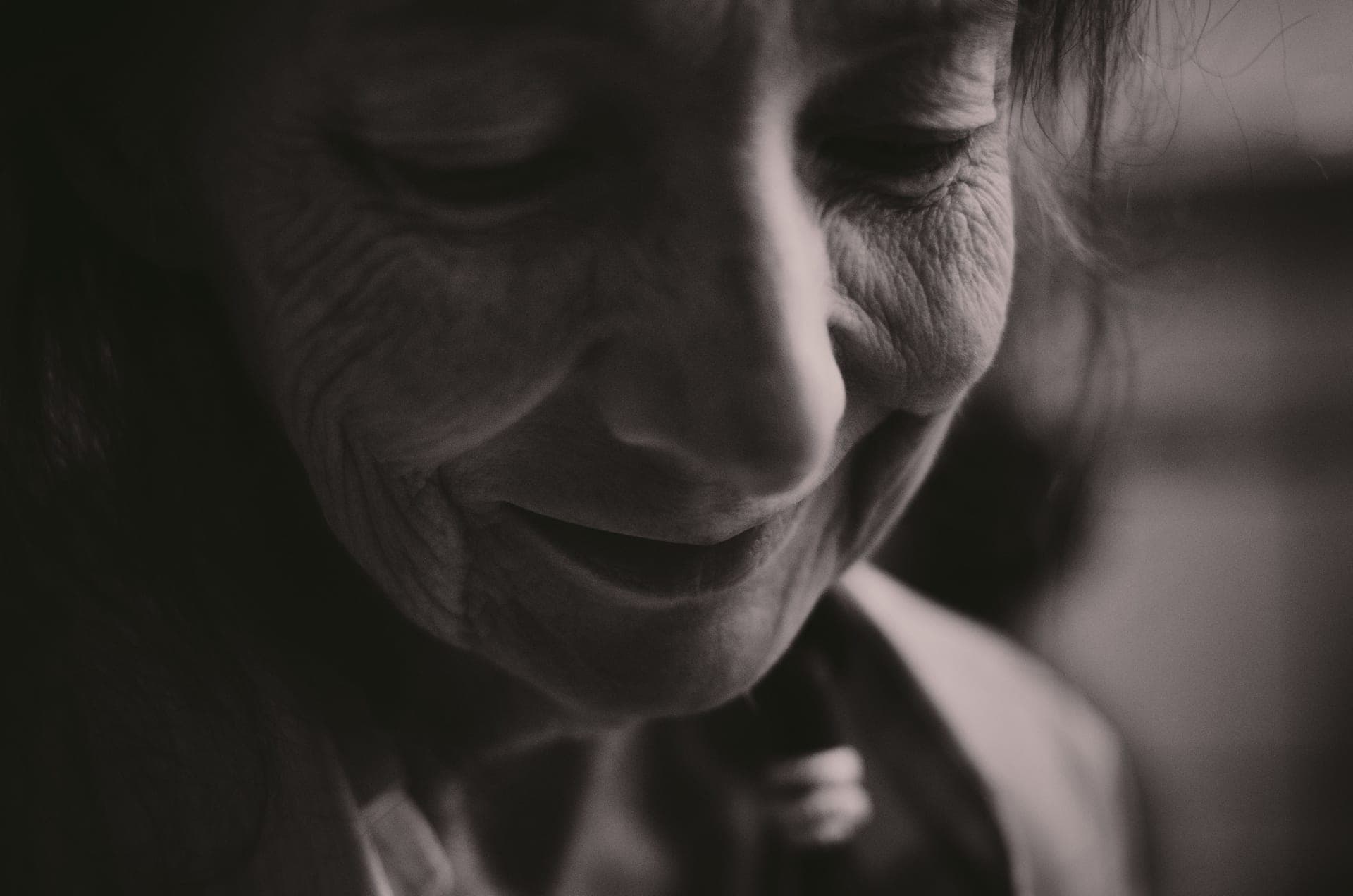
A black and white close-up of a smiling senior woman's face with her eyes closed

Start here

Use a creamy, hydrating, light-to-medium concealer in a thin layer, placed in the inner corner and the shadow rather than across the whole under-eye, and set with the smallest possible amount of finely milled powder. Creasing is caused by quantity far more often than by formula.

What concealer does for skin over 50

Concealer is the most valuable product on a mature face and the one most likely to go wrong. Valuable, because targeted coverage lets you wear a much lighter foundation — which is the single biggest improvement available to most people over 50. Likely to go wrong, because the place it goes is the thinnest skin on your body, sitting on top of a muscle that moves every time you blink.

Everything about the under-eye works against a cosmetic product. The skin is roughly a third the thickness of the skin on your cheek, so it holds less moisture and creases more readily. The orbicularis muscle contracts constantly. And the area is slightly concave, so anything that moves has a low point to move into. A concealer that sits beautifully for an hour will have gathered in a line by lunchtime unless the quantity was right.

Quantity is the main variable, not formula. Almost everyone applies two or three times as much concealer as they need, across a far larger area than needs covering. The actual shadow under most eyes is a crescent in the inner corner and along the tear trough — not the whole area from lash line to cheekbone. Covering the whole area with enough product to hide the darkest part guarantees creasing everywhere else.

The category divides by what you are covering, and the distinctions matter. Under-eye shadow is a blue-gray discoloration best treated with a peach- or pink-toned corrector under a thin concealer. Age spots are discrete brown marks that need a matching-tone concealer placed on the spot, nothing more. Crepey skin is a texture problem that concealer makes worse, not better — less is the only answer. Redness is a color-cancellation problem, covered on the rosacea page.

Price buys shade range and texture refinement. At the premium end you get genuine depth and undertone coverage — which matters more for concealer than foundation, because a mismatched concealer leaves a visible pale patch — and formulas that stay flexible for longer. At the drugstore end the most useful thing you can buy is an oversized applicator, which means fewer strokes and less blending on skin that does not enjoy being rubbed.

The mistake to avoid is setting heavily to stop creasing. It is the standard advice and it is backwards: powder in a fine line makes the line more defined, so a heavily set under-eye creases into something more visible than it would have unset. A very small amount of a very finely milled powder, pressed on, is the most that helps — and should you set concealer with powder covers when to skip it entirely.

Every concealer page

How to choose a concealer over 50

Texture before shade, shade before coverage. A creamy, hydrating formula that stays flexible is worth more than a perfectly matched matte one, because a matte concealer on thin skin reads as a dry patch within hours.

Match the shade to your skin, not two shades lighter. The habit of brightening with a pale concealer comes from editorial makeup and it leaves a visible gray-white patch on mature skin. One half-step lighter than your foundation, at most.

Light-to-medium coverage, not full. Full-coverage concealer in the under-eye is the single most common cause of creasing. If the shadow is dark, use a corrector underneath rather than a thicker concealer on top.

Check the applicator. A wide doe-foot covers more per stroke, which means less rubbing. A click pen needs a firm thumb press, which is awkward with sore hands. A pot needs two hands and a brush.

For age spots, buy a separate small brush. A spot needs a precise dot the size of the mark, not a wand's worth smeared over it.

Questions people ask

What concealer doesn't crease on mature skin?

A creamy, hydrating, light-to-medium formula applied thin — NARS Radiant Creamy or e.l.f. Hydrating Camo at drugstore price. Formula matters, but quantity matters more: most creasing is too much product over too large an area.

Should I use concealer lighter than my skin?

At most half a step lighter. The habit of brightening with a pale concealer comes from editorial makeup under controlled lighting; on mature skin in daylight it leaves a visible gray-white patch.

Do I need to set concealer with powder?

Lightly, or not at all. Powder in a fine line makes the line more defined, so a heavily set under-eye creases into something more visible. A very small amount of very finely milled powder, pressed on, is the maximum that helps.

Where exactly should under-eye concealer go?

On the shadow only — usually a crescent in the inner corner and along the tear trough — not across the whole area from lash line to cheekbone. Covering the whole area with enough product to hide the darkest part guarantees creasing.

What covers age spots best?

A concealer matched to your own skin tone, placed precisely on the spot with a small brush, then pressed rather than blended outward. Blending spreads the pigment and lightens the cover. See best concealer for age spots.

Where to go next

Everything on this site starts from makeup for mature skin, and the method behind every pick is on how we choose.