Skip to content

#AdWe earn commission on qualifying purchases made through links on this page. It never changes what we pick or how it ranks. How this works.

Foundation

Covering redness without setting it off

Color correction is a light-wavelength problem with a simple answer, and most people apply far too much green.

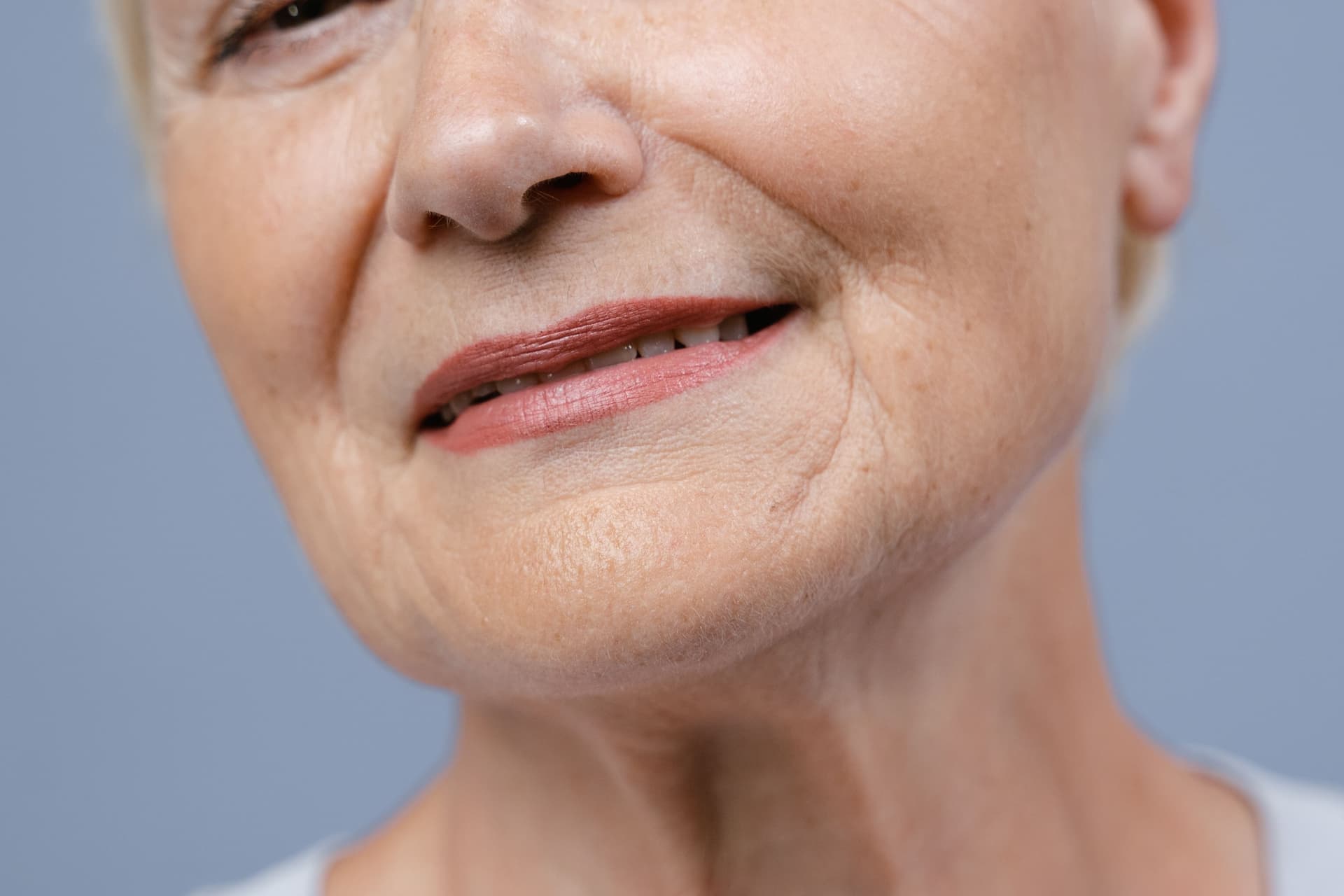
Close detail of an older woman's mouth and skin, showing natural lines and texture

Short answer

For mature skin with rosacea, use a fragrance-free yellow- or green-leaning base in a thin layer, then build coverage only over the reddest areas. Mineral sun filters avoid a heat trigger that some chemical filters cause. Use far less green corrector than you think — a thin veil, never a layer.

By Brijon M. · Last updated October 2, 2026

Our picks at a glance

Our picks at a glance, ranked. Select a row to read that product's full write-up.
#ProductBest forPrice
1
A plain white cosmetic bottle on a neutral beige background

The Ordinary 100% Mineral UV Filters SPF 15 with Antioxidants

A zinc-oxide mineral filter is the base layer that makes most sense here.

Best base layer
2
A plain white cosmetic jar photographed on a neutral studio background

e.l.f. Cosmetics Color Correcting Stick

The twist-up format is the reason this is the pick rather than a pot: you draw a sparing line of green over the red area and blend it out, which naturally applies less product than scooping from a pot does.

Best color corrector
3
A plain white cosmetic jar photographed on a neutral studio background

IT Cosmetics CC+ Cream Illumination SPF 50+

When redness is genuinely visible rather than a flush, light coverage will not cover it, and this will.

Best full coverage
4
A plain white cosmetic jar photographed on a neutral studio background

Westman Atelier Vital Skin Foundation Stick

The brand positions this around calming actives and evening out redness, but the practical advantage is the format: you place it only where the redness is, instead of spreading a film over skin that does not need it.

Best for targeted coverage
5
A plain white cosmetic bottle on a neutral beige background

Clinique Even Better Makeup SPF 20

Formulated without added fragrance, medium coverage, natural finish, wide shade range, and no hard longwear film.

Best everyday foundation
6
A plain white cosmetic jar photographed on a neutral studio background

Laura Geller Baked Balance-n-Brighten Color Correcting Foundation

A baked powder has no water phase and no vigorous buffing step — you press it on with the supplied sponge, which is about as low-friction as applying makeup gets.

Best powder option

Prices live on Amazon and change constantly, so this site does not print a number it cannot verify. Every button goes to the current listing.

Why this is hard over 50

Redness is the one complexion concern where the physics genuinely favor makeup. Red and green sit opposite each other on the color wheel, so a thin green or yellow film cancels a proportion of the red light reflecting off the skin. That is a real optical effect, not a marketing claim, and it is why color correction works when almost nothing else in a makeup bag does what it says.

The problem is dosage. Most people apply color corrector like concealer — a visible layer, pressed in — and the result is a gray-green cast that looks worse than the redness did, because you have now over-canceled and dulled the skin. The correct amount is a sheer veil you can barely see. Thin, over the red area only, and then a normal foundation on top at normal coverage.

The second consideration is triggers, and this is where the page has to be careful. Rosacea is a medical condition, this is a makeup site, and nothing here is medical advice. What can be said as a product-design observation is that heat and friction are widely reported triggers, that mineral sun filters work by sitting on the surface while some chemical filters convert UV to heat, and that a formula requiring vigorous buffing involves more friction than one you can press on. Those are reasons to prefer certain formats. They are not a treatment plan.

Fragrance comes off the list first here, as it does on the sensitive skin page, and for the same reason: a thinner mature barrier lets more of it through.

The picks in full

A plain white cosmetic bottle on a neutral beige background
Best base layer

The Ordinary 100% Mineral UV Filters SPF 15 with Antioxidants

primer · Drugstore price band

A zinc-oxide mineral base that blurs texture, oil-free and fragrance-free.

A zinc-oxide mineral filter is the base layer that makes most sense here. Zinc sits on the surface rather than absorbing, it is fragrance-free and oil-free on a short ingredient list, and mineral filters avoid the heat conversion that some chemical filters involve. It also has a faint diffusing quality that softens the look of redness slightly before anything else goes on.

How it handles

Squeeze tube.

What to know

It is not a foundation and will not even out tone. Mineral filters can leave a slight white cast, which is more noticeable on deeper skin.

A plain white cosmetic jar photographed on a neutral studio background
Best color corrector

e.l.f. Cosmetics Color Correcting Stick

color corrector · Drugstore price band

A twist-up corrector stick sold in green, peach, lavender and yellow tones.

The twist-up format is the reason this is the pick rather than a pot: you draw a sparing line of green over the red area and blend it out, which naturally applies less product than scooping from a pot does. The yellow shade in the same range is worth knowing about too — for diffuse overall redness, yellow often reads more natural than green, which can go gray on fair skin.

How it handles

Twist-up stick drawn straight onto the skin — no brush, no pot, no second hand needed.

What to know

Easy to over-apply if you draw a solid block rather than a thin line. Blend with a fingertip, not a dense brush.

A plain white cosmetic jar photographed on a neutral studio background
Best full coverage

IT Cosmetics CC+ Cream Illumination SPF 50+

cc cream · Mid price band

A thick, full-coverage color-correcting cream with SPF 50+ and a luminous finish.

When redness is genuinely visible rather than a flush, light coverage will not cover it, and this will. It is a thick color-correcting cream with full coverage and mineral-assisted SPF 50+, and it stays hydrating enough that the thickness does not read as a mask. For many people it replaces both the corrector and the foundation step.

How it handles

Squeeze tube with a screw cap. The tube needs a real squeeze, and that gets harder as it empties.

What to know

It is heavy, and a thick cream on crepey skin is the formula most likely to settle in a crease. The tube is hard to squeeze when half empty.

A plain white cosmetic jar photographed on a neutral studio background
Best for targeted coverage

Westman Atelier Vital Skin Foundation Stick

foundation stick · Premium price band

A balm-textured stick that buffs out to light-to-medium coverage with a satin finish, built around not dragging on skin.

The brand positions this around calming actives and evening out redness, but the practical advantage is the format: you place it only where the redness is, instead of spreading a film over skin that does not need it. Less product on reactive skin is almost always the right direction, and a balm you press on involves less friction than a liquid you buff.

How it handles

Twist-up stick with a wide barrel you can hold in a fist rather than a pinch.

What to know

Premium price and light-to-medium coverage. The ingredient list is not short, so it is not the choice if you are isolating a trigger.

A plain white cosmetic bottle on a neutral beige background
Best everyday foundation

Clinique Even Better Makeup SPF 20

liquid foundation · Mid price band

A lightweight liquid with medium coverage, a natural finish and a wide shade range.

Formulated without added fragrance, medium coverage, natural finish, wide shade range, and no hard longwear film. On a face where redness is the main issue, a dependable fragrance-free medium-coverage liquid over a thin corrector is the whole routine, and this is the most available version of that.

How it handles

Pump bottle.

What to know

Fragrance-free is not reaction-free; patch test on the jaw for three days. It will also need a corrector underneath for strong redness.

A plain white cosmetic jar photographed on a neutral studio background
Best powder option

Laura Geller Baked Balance-n-Brighten Color Correcting Foundation

powder foundation · Mid price band

A baked powder foundation that goes on creamy and sets demi-matte, with buildable light-to-medium coverage.

A baked powder has no water phase and no vigorous buffing step — you press it on with the supplied sponge, which is about as low-friction as applying makeup gets. It is sold as suitable for sensitive and mature skin, and the color-correcting aspect of the formula does some of the redness work itself.

How it handles

A pan in a compact — nothing to pump, no cap to twist and nothing to spill. Applied with the supplied sponge or a brush.

What to know

Botanical extracts are a possible irritant for some people. Over dry patches it reads dry, and reported shade consistency is uneven.

How to use green corrector without going gray

The technique is the whole thing here, and it is a small-amounts discipline.

  1. Moisturize and wait. Corrector on bare, tight skin grabs and goes patchy, and patchy green is worse than untreated redness.
  2. Apply green only where the skin is actually red — usually the cheeks either side of the nose, sometimes the chin. Not across the whole face.
  3. Use a veil, not a layer. Draw a thin line from a stick, then blend it out with a clean fingertip until you can barely see it. If you can see green, there is too much on.
  4. Consider yellow instead for diffuse redness. Green is best on a defined red patch. Across a generally flushed face, a yellow corrector usually reads more natural and is much harder to overdo.
  5. Then foundation as normal, pressed on. The corrector has already reduced the red you are covering, so you need less foundation than you would have — which is the point of doing it at all.

More on correction order in color corrector vs concealer on mature skin.

What this page will not tell you

This is a makeup site and the line is worth stating plainly rather than implying.

We do not diagnose rosacea, we do not recommend treatments for it, and we do not know whether a particular formula will trigger your skin. Rosacea triggers are individual and well documented to include things that have nothing to do with cosmetics.

What we can do is describe product design: whether a filter is mineral or chemical, whether a formula contains fragrance, whether applying it requires friction, and whether the packaging lets you use a small amount precisely. Those are facts about products, and they are the facts that let you make your own decision.

If your redness is worsening, painful, or coming with bumps or eye symptoms, that is a doctor's question. A better foundation is not the answer to it, and nothing on this site is a substitute for asking.

What we'd skip

Green corrector applied like concealer. This is the single most common error in the category and it produces a gray cast. Veil, not layer.

Anything with fragrance or essential oils, including products marketed as soothing on the strength of botanical extracts.

Formulas that need heavy buffing to blend. Friction is a widely reported trigger, and a formula you can press on exists for almost every formula you would otherwise have to work at.

Mattifying or alcohol-heavy products. They strip a barrier that is already compromised, and tight skin shows redness more, not less.

Questions people ask

What foundation is best for rosacea on mature skin?

A fragrance-free medium-coverage liquid such as Clinique Even Better, or IT Cosmetics CC+ Cream if you need full coverage, over a very thin green or yellow corrector applied only to the red areas.

Does green corrector really work on redness?

Yes, optically — green cancels a proportion of the red light reflecting off the skin. The reason it often looks wrong is dosage: most people apply far too much and end up with a gray-green cast. It should be a veil you can barely see.

Should I use green or yellow corrector?

Green for a defined red patch; yellow for generally flushed skin. Yellow is much harder to overdo and usually reads more natural on fair mature skin.

Are mineral sunscreens better if I have rosacea?

Many people prefer them, because mineral filters sit on the surface while some chemical filters convert UV into heat, and heat is a commonly reported trigger. That is a product-design observation, not medical advice — your own triggers are individual.

Can makeup make rosacea worse?

Fragrance, drying alcohols and the friction of heavy buffing are the usual suspects reported, and removal matters as much as wear. Patch test on the jaw for three days, introduce one product at a time, and talk to a doctor about the condition itself.

Where this comes from

How this page was put together. Picks are chosen by reading formulas, ingredient lists, packaging and dispensing design, and the reported experience of people with mature skin. Primer & Poise does not operate a laboratory, does not run a tester panel, and does not claim professional cosmetology, esthetics or medical credentials. Where a figure or a claim could not be verified, this page says so instead of filling the gap. Read the full selection method.

Sources