Skip to content

#AdWe earn commission on qualifying purchases made through links on this page. It never changes what we pick or how it ranks. How this works.

By Concern

Correct it, do not cover it

Covering redness takes three times the product that neutralizing it does. On mature skin that difference is the whole result.

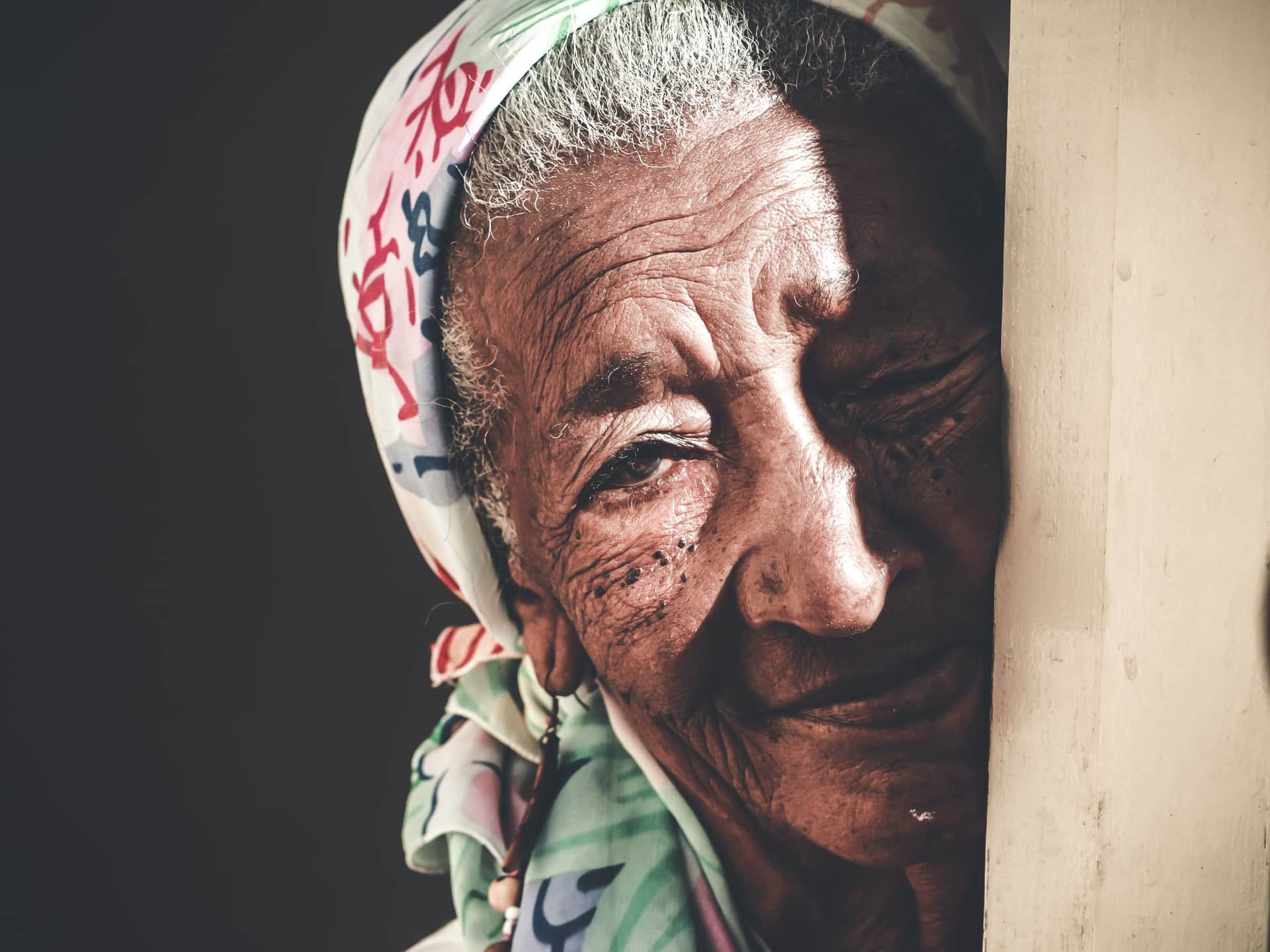
Close portrait of an elderly woman in a patterned headscarf, with deep lines and visible skin texture

Short answer

Start with the e.l.f. Color Correcting Stick in green, placed only where the redness is concentrated, then a light base over it — the Clinique Even Better Makeup SPF 20 is the one to reach for. Correcting the color first means you need a fraction of the coverage, and less product on a rosacea-prone face is the difference between a result that looks like skin and one that looks like a mask. If you want correction and coverage in one layer, the IT Cosmetics CC+ Cream does both.

By Brijon M. · Last updated October 16, 2026

Our picks at a glance

Our picks at a glance, ranked. Select a row to read that product's full write-up.
#ProductBest forPrice
1
A plain white cosmetic jar photographed on a neutral studio background

e.l.f. Cosmetics Color Correcting Stick

The product that makes the argument on this page, and it costs very little.

Best first step
2
A plain white cosmetic bottle on a neutral beige background

Clinique Even Better Makeup SPF 20

Over a corrector you want the thinnest base that still evens things out, and a lightweight liquid at medium coverage with a natural finish is exactly that.

Best base
3
A plain white cosmetic jar photographed on a neutral studio background

IT Cosmetics CC+ Cream Illumination SPF 50+

Here for the person who would rather do one step than two.

Best one-layer alternative
4
A plain white cosmetic bottle on a neutral beige background

The Ordinary 100% Mineral UV Filters SPF 15 with Antioxidants

On this list for the trigger rather than for the finish.

Best layer underneath
5
Cosmetic products arranged in a simple display in neutral tones

Tower 28 Beauty MakeWaves Lengthening + Volumizing Mascara

Rosacea frequently involves the eyes — grittiness, watering, irritated lid margins — and that changes what a mascara has to survive.

Best for the eyes
6
Cosmetic products arranged in a simple display in neutral tones

Real Techniques Miracle Complexion Sponge

The tool choice does real work on this page.

Best tool

Prices live on Amazon and change constantly, so this site does not print a number it cannot verify. Every button goes to the current listing.

Why this is hard over 50

The instinct with facial redness is to cover it, and on mature skin that instinct produces the worst possible result: a thick, opaque layer that cracks along every line by lunchtime and still does not hide the red properly.

Why correction beats coverage, in one sentence. Red and green sit opposite each other on the color wheel, so a thin veil of green neutralizes red optically — and optical neutralization takes a fraction of the material that physical opacity does. Two layers that are each nearly invisible beat one that is thick enough to block light.

And why that matters more over 50 than at 30. Film thickness is what fails on mature skin. A face that moves cracks a rigid layer along its expression lines, and rosacea tends to sit exactly where the face moves most — across the nose, the cheeks and the chin. So the full-coverage answer is not just aesthetically heavier, it physically does not survive the day. Our page on why foundation settles into wrinkles covers the mechanism.

Rosacea also gets more visible with age, which is why it belongs on this site. Prevalence rises through middle age, and the vascular component — the small visible vessels, the telangiectasia — accumulates rather than resolving. At the same time the skin covering it is thinning, so the vessels sit closer to the surface. Someone who managed with a tinted moisturizer at forty often cannot at sixty.

This is a routine page, not a base page. The site already picks a foundation on best foundation for mature skin with rosacea. What that page does not do is sequence the whole morning: what goes under the base, what to do about the eyes when rosacea affects them, how to apply without the friction that triggers a flush, and what to take it all off with.

One thing that is not a makeup decision at all. Ultraviolet exposure is among the most frequently reported rosacea triggers, so a mineral sun filter early in the routine is doing more for the redness than any amount of pigment later in it. That is why the primer slot below is a zinc-oxide product rather than a blurring one.

The decision table

PickStepWhat it is forFinish
e.l.f. Color Correcting StickFirst, on the red onlyGreen neutralizes red opticallyCream, blends out
The Ordinary mineral baseUnder the baseZinc oxide, oil-free and fragrance-freeDry-touch
Clinique Even BetterBaseLight medium coverage, wide shade rangeNatural
IT Cosmetics CC+ CreamBase, one-layer alternativeCorrects and covers with SPF 50+Luminous
Tower 28 MakeWavesLashesStated formulated for sensitive eyesWaterproof
Real Techniques spongeToolPresses rather than buffs; friction is a triggerUsed damp

The picks in full

A plain white cosmetic jar photographed on a neutral studio background
Best first step

e.l.f. Cosmetics Color Correcting Stick

color corrector · Drugstore price band

A twist-up corrector stick sold in green, peach, lavender and yellow tones.

The product that makes the argument on this page, and it costs very little. It is a twist-up corrector stick sold in green, peach, lavender and yellow tones, and the green is the one that matters here — drawn in a thin line over the concentrated redness across the nose and inner cheeks, then tapped out with a fingertip, it neutralizes the hue so the base over it has almost nothing left to do. The twist-up format is the right one for a rosacea routine for a second reason: it is drawn straight onto the skin with no pot, no brush and no second hand, so there is less handling and less friction than any alternative.

How it handles

Twist-up stick drawn straight onto the skin — no brush, no pot, no second hand needed.

What to know

Green used generously reads as gray-green cast rather than as neutral skin, so this is a trace product — thin line, tapped out, base over it immediately. It will do nothing for raised or textured vessels, which are a structural problem rather than a color one. And on a very dry face the drier stick texture wants moisturizer underneath it.

A plain white cosmetic bottle on a neutral beige background
Best base

Clinique Even Better Makeup SPF 20

liquid foundation · Mid price band

A lightweight liquid with medium coverage, a natural finish and a wide shade range.

Over a corrector you want the thinnest base that still evens things out, and a lightweight liquid at medium coverage with a natural finish is exactly that. The natural finish is a deliberate choice: a dewy base amplifies a flush by adding shine to an already-warm area, and a flat matte sets rigid and cracks where rosacea sits. The wide shade range earns its place here too, because once the red is neutralized the remaining job is matching your actual skin tone rather than fighting it — and a mismatched base on a corrected face is very visible. A pump meters the dose, which stops the commonest cause of over-application.

How it handles

Pump bottle.

What to know

SPF 20 is a thin margin for a condition where sun is a frequent trigger, so a dedicated sunscreen underneath is the right call rather than optional. It will not control shine on an oily T-zone, and the natural finish needs a trace of powder there.

A plain white cosmetic jar photographed on a neutral studio background
Best one-layer alternative

IT Cosmetics CC+ Cream Illumination SPF 50+

cc cream · Mid price band

A thick, full-coverage color-correcting cream with SPF 50+ and a luminous finish.

Here for the person who would rather do one step than two. It is a thick, full-coverage color-correcting cream with SPF 50+, so it corrects, covers and protects in the same layer — and on a condition where UV is a frequent trigger, carrying a high sun filter in the product you actually apply every day is worth a lot. The thickness that makes it heavy on other pages is an advantage over diffuse redness, because the pigment is concentrated enough that one thin pass covers what two passes of a liquid would.

How it handles

Squeeze tube with a screw cap. The tube needs a real squeeze, and that gets harder as it empties.

What to know

It must be warmed and pressed rather than swiped, and it will look heavy if you use the amount a liquid would need. The high mineral SPF load is the highest flashback risk in this registry, so not the choice for a day with photographs. The squeeze tube also gets harder to work as it empties.

A plain white cosmetic bottle on a neutral beige background
Best layer underneath

The Ordinary 100% Mineral UV Filters SPF 15 with Antioxidants

primer · Drugstore price band

A zinc-oxide mineral base that blurs texture, oil-free and fragrance-free.

On this list for the trigger rather than for the finish. Ultraviolet exposure is among the most commonly reported rosacea triggers, and this is a zinc-oxide mineral base — a physical filter sitting on the surface rather than a chemical one absorbing into skin, which is the gentler mechanism on a reactive face. It is also stated oil-free and fragrance-free, which matters because fragrance is a frequent irritant on rosacea-prone skin for the same reasons set out on [best makeup for mature sensitive skin](/by-concern/best-makeup-for-mature-sensitive-skin), and it blurs texture while it is there. At drugstore price it is the cheapest meaningful addition to a rosacea routine.

How it handles

Squeeze tube.

What to know

Zinc oxide is white, so a thick layer leaves a cast and can flash pale under a camera flash — keep it thin. SPF 15 is not adequate protection on its own for a condition where sun is a trigger, so treat it as a bonus over a proper sunscreen rather than as the sunscreen. It adds no coverage and the squeeze tube is hard to meter.

Cosmetic products arranged in a simple display in neutral tones
Best for the eyes

Tower 28 Beauty MakeWaves Lengthening + Volumizing Mascara

mascara · Mid price band

A volumizing mascara formulated for sensitive eyes and sold as waterproof.

Rosacea frequently involves the eyes — grittiness, watering, irritated lid margins — and that changes what a mascara has to survive. This is the one in this registry stated to be formulated for sensitive eyes, and it is sold as waterproof, which is the combination a watering eye needs: less migration onto skin that is already irritated, and a formulation built with reactivity in mind. It is positioned as lengthening as well as volumizing, so it suits a mature lash without loading it.

How it handles

Screw-cap tube.

What to know

Waterproof needs an oil-based remover and more contact time, which is more friction on a lid you want to handle gently — go slowly and press rather than rub. If your eyes are genuinely affected, mascara is a conversation with a doctor before it is a shopping decision, and ours is not medical advice.

Cosmetic products arranged in a simple display in neutral tones
Best tool

Real Techniques Miracle Complexion Sponge

tool · Drugstore price band

A latex-free blending sponge with a flat edge and a rounded base.

The tool choice does real work on this page. Friction and heat are both frequently reported rosacea triggers, and buffing foundation in with a brush supplies both — you are rubbing a stiff-bristled object across the most reactive part of your face for thirty seconds. A damp sponge pressed and bounced instead applies less mechanical stress, puts down a thinner film, and will not disturb the corrector underneath, which a sweeping brush reliably does. It is latex-free and it is held in the palm rather than pinched.

How it handles

Held in the palm rather than pinched, which is why a sponge is often easier than a brush with sore finger joints.

What to know

It absorbs some of your foundation, so you get through slightly more product, and it has to be washed weekly and replaced every three months. A sponge is also less precise than a brush around the nose, which is exactly where rosacea tends to be worst — use the pointed end and press.

The order, and why each step is where it is

Moisturizer, then wait three minutes. Product applied into wet skincare never bonds properly and separates by afternoon. The wait is free and it is the step people skip.

Sunscreen next, in its own proper amount. Roughly a third of a teaspoon for face and neck. On a condition where UV is a frequent trigger, this is the most useful thing in the routine and no makeup SPF replaces it.

Corrector third, on the red only. A thin line over the concentrated area, tapped out with a fingertip. Not across the whole face — green where there is no red reads as a gray cast.

Base fourth, thin, pressed on. Start away from the nose and work inward with what is left on the sponge. Most people load the most product onto the reddest area, which is backwards once a corrector is underneath.

Powder fifth, if at all, on the T-zone only. Pressed with a small brush, never swept. Powder across a corrected face lifts and patches the correction underneath it.

Nothing warm, and nothing rubbed. Hot water, hot tools and vigorous blending are all frequently reported triggers. A flush brought on during application undoes the whole routine before you leave the house.

What makeup can and cannot do here

It can neutralize diffuse redness very effectively. Flat, even background redness across the cheeks and nose is a color problem, and color problems respond extremely well to optical correction. This is the case where the method on this page works best.

It can soften the look of visible vessels, not remove them. Telangiectasia are structural. Pigment over them reduces contrast; it does not flatten them. If that is your main concern, the honest answer is that it is a dermatology question — vascular laser is the standard treatment and no cosmetic achieves it.

It cannot do much about raised bumps and papules. Texture is not a color problem, and adding product over an active flare generally makes it more visible rather than less. Less base, not more, during a flare.

It should not be the reason you delay treatment. Rosacea is a medical condition with real treatments. Covering it well is compatible with treating it and is not a substitute for it, and nothing on this site is medical advice.

And it can trigger a flare if you are careless about it. Fragrance, heat, friction and alcohol-heavy formulas are all commonly reported triggers, which is why the method matters as much as the product list.

What we have and haven't established

That red and green are complementary, and that a thin veil of green therefore neutralizes red optically with far less material than opaque coverage requires, is ordinary color theory. The conclusion we draw — that correction is the better strategy on mature skin specifically because film thickness is what fails there — is our reasoning and we state it as such.

That rosacea prevalence rises through middle age, that the vascular component tends to accumulate, and that ultraviolet exposure, heat, friction and fragrance are among the most frequently reported triggers are well-documented features of the condition rather than claims unique to this site. We report them as context for a shopping decision, not as diagnosis.

That telangiectasia are structural rather than pigmentary — and therefore that makeup reduces their contrast without flattening them — follows from what they physically are.

Formats, finishes, coverage levels, SPF figures, stated fragrance-free and sensitive-eye status, and container types come from the manufacturer and retailer listings cited below. Every product was confirmed currently on sale before being featured.

We have not tested these products on rosacea-prone skin, photographed correction, measured erythema, or run a panel. There is no laboratory behind this site.

Nothing on this page is medical advice. Rosacea is a medical condition, its treatments are prescribed by doctors, and a makeup routine is not one of them. If your rosacea is changing, affecting your eyes, or not responding to what you have been given, that is a conversation with a doctor.

What we'd skip

Full-coverage matte foundation as the whole answer. It is the heaviest possible solution to what is mostly a color problem, and a rigid matte film cracks exactly where rosacea sits.

Green corrector across the whole face. It is a trace product on the concentrated areas. Used broadly it reads as a gray-green cast rather than as neutral skin.

Buffing with a brush. Friction is a frequently reported trigger, and a sweeping brush also drags the corrector out of position. Press with a damp sponge.

Fragranced and alcohol-heavy formulas. Both are common irritants on rosacea-prone skin, and the alcohol-led mattifying primers are the worst offenders.

Heavy base during an active flare. Papules are texture, not color, and more product over them makes them more visible rather than less.

Treating makeup as the treatment. Covering it well and treating it are different projects, and only one of them is a doctor's.

Questions people ask

What is the best makeup for rosacea over 50?

A green corrector placed only on the concentrated redness, then a thin light-to-medium base over it. The e.l.f. Color Correcting Stick and the Clinique Even Better Makeup SPF 20 are the pair here. Correcting the color takes a fraction of the product that covering it does, and less product is what mature skin needs.

Does green corrector really work on facial redness?

Yes, for diffuse flat redness. Green sits opposite red on the color wheel, so a thin veil neutralizes the hue optically. It does far less for raised bumps or visible vessels, which are texture and structure rather than color.

Should I use full coverage foundation for rosacea?

Usually not. It is the heaviest answer to a color problem, and on mature skin a thick rigid film cracks along the expression lines — which is exactly where rosacea tends to sit. Correct first, then use the thinnest base that finishes the job.

Can makeup make rosacea worse?

It can. Fragrance, alcohol-heavy formulas, heat and friction are all frequently reported triggers, so how you apply and remove it matters as much as what you choose. Press rather than buff, and never use hot water at the sink.

Does makeup cover broken capillaries?

It reduces their contrast rather than removing them. Telangiectasia are structural, so pigment over them softens how visible they are but cannot flatten them. If that is your main concern it is a dermatology question, not a cosmetic one.

What mascara is best if rosacea affects my eyes?

One formulated for sensitive eyes, applied lightly and removed gently — the Tower 28 MakeWaves is the pick here. But if your eyes are genuinely affected, see a doctor first; ocular rosacea is treated medically and nothing on this site is medical advice.

Do I still need sunscreen if my foundation has SPF?

Yes, and more so here than anywhere. UV is among the most frequently reported rosacea triggers, and foundation is never applied at the density SPF figures are established at, so the protection you get from a base is a fraction of its number.

Where this comes from

How this page was put together. Picks are chosen by reading formulas, ingredient lists, packaging and dispensing design, and the reported experience of people with mature skin. Primer & Poise does not operate a laboratory, does not run a tester panel, and does not claim professional cosmetology, esthetics or medical credentials. Where a figure or a claim could not be verified, this page says so instead of filling the gap. Read the full selection method.

Sources