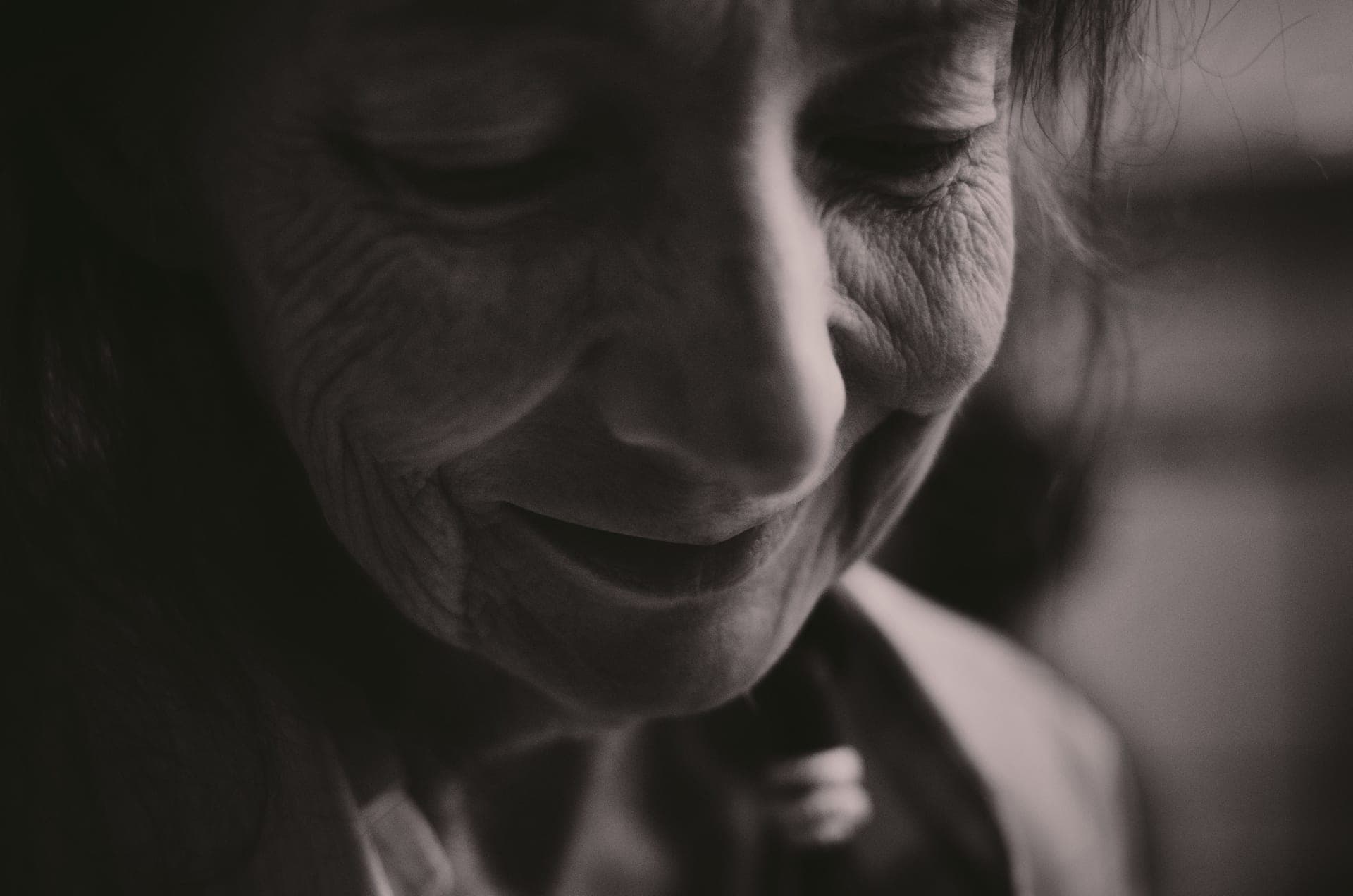
Concealer is the most valuable product on a mature face, and the reason is indirect. Targeted coverage means you can wear a much lighter foundation — and a lighter base is the single biggest improvement most people over 50 can make, because the volume of product on the face is what settles, cracks and gathers. A sheer base plus concealer on four square centimeters beats medium coverage everywhere, every time.
It is also the product most likely to go wrong, because of where it goes. The skin under the eye is roughly a third the thickness of the skin on your cheek, it holds less moisture, and it sits directly on a muscle that contracts every time you blink. The area is slightly concave, so anything that moves has a low point to move into. A concealer that looks perfect at 8am has somewhere to be by lunchtime unless the quantity was right.
Quantity is the main variable, not formula. Most people apply two or three times what they need, across an area far larger than needs covering. The actual shadow under most eyes is a crescent in the inner corner and along the tear trough — not the whole region from lash line to cheekbone. Covering that whole region with enough product to hide the darkest part guarantees creasing everywhere else.
The second most common error is shade. The habit of brightening with a concealer two shades lighter comes from editorial makeup shot under controlled lighting; in daylight on mature skin it reads as a gray-white patch, and the patch draws the eye more than the shadow did. Match your own tone, or go half a step lighter at most.
What you are covering also matters more than the marketing suggests, because the three main targets need different things. Under-eye shadow is a blue-gray discoloration best handled with a peach or pink corrector under a thin concealer. Age spots are discrete brown marks needing a precise matched dot. Crepey skin is a texture problem that concealer makes worse, and less is the only honest answer.