Skip to content

#AdWe earn commission on qualifying purchases made through links on this page. It never changes what we pick or how it ranks. How this works.

Foundation

Serum or liquid foundation?

They are the same product category with different amounts of water in them, and that one difference changes everything.

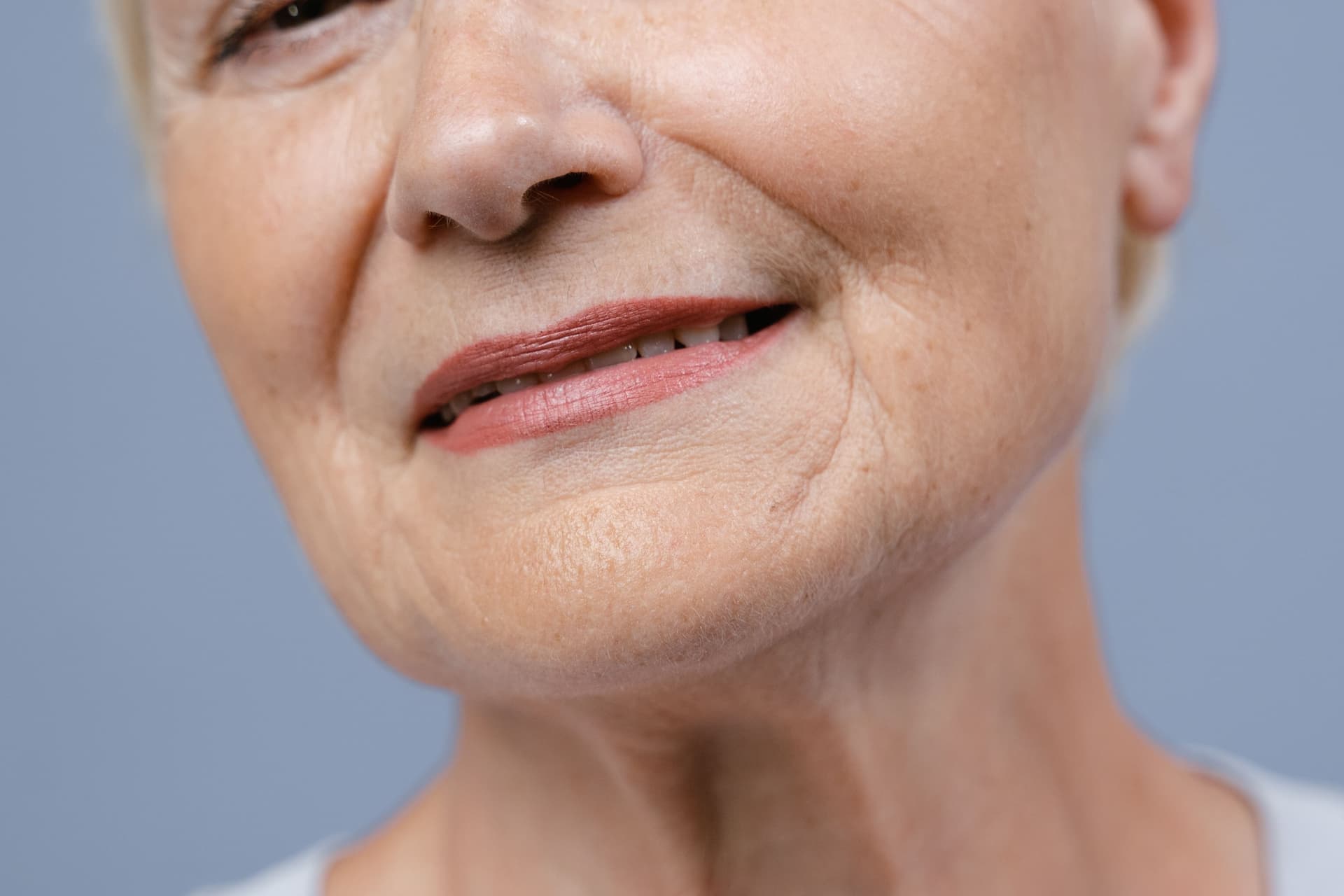
Close detail of an older woman's mouth and skin, showing natural lines and texture

Short answer

Choose a serum foundation if your main concern is fine lines, texture or looking over-made-up — it spreads thinner and has more slip, so less material is available to settle anywhere. Choose a conventional liquid if you need medium or full coverage, because a serum cannot build that far without streaking.

By Brijon M. · Last updated October 2, 2026

Our picks at a glance

Our picks at a glance, ranked. Select a row to read that product's full write-up.
#ProductBest forPrice
1
A plain white cosmetic bottle on a neutral beige background

L'Oréal Paris Age Perfect Radiant Serum Foundation with SPF 50

The serum foundation worth starting with, because it reaches light-to-medium coverage rather than stopping at sheer — which makes it a genuine foundation rather than an extra layer.

Best serum option
2
A plain white cosmetic bottle on a neutral beige background

Clinique Even Better Makeup SPF 20

The liquid to buy if coverage is what you are after.

Best conventional liquid
3
A plain white cosmetic bottle on a neutral beige background

Armani Beauty Luminous Silk Foundation

The liquid that behaves most like a serum: enough slip to blend out thin and even over dry patches, buildable to medium, and radiant rather than flat.

Best liquid for texture
4
A plain white cosmetic bottle on a neutral beige background

e.l.f. Cosmetics Power Grip Primer

The honest answer to the serum format's main weakness.

Best fix for serum wear time

Prices live on Amazon and change constantly, so this site does not print a number it cannot verify. Every button goes to the current listing.

Why this is hard over 50

The two formats differ in one measurable way: how much of the formula is water and slip agents versus how much is film-forming material and pigment. A serum foundation is weighted toward the former, a conventional liquid toward the latter. Everything else follows from that.

More water and slip means the product spreads further and thinner, crosses a crease rather than running into it, and stays flexible when your face moves. Less of it means more coverage, better staying power in heat, and a firmer film — which is useful on a long day and is the thing that cracks along a smile line.

Neither is the right answer in general. The right answer depends on whether your problem is texture or tone, and those are different problems that the same bottle rarely solves. If you look in the mirror and see lines, go thinner. If you see spots and redness, you need pigment, and a serum will not give it to you no matter how many layers you add.

A third option exists and is worth saying out loud: a serum foundation plus a concealer where you need it is usually better than a medium-coverage liquid everywhere. It puts less product on the face and covers more precisely. The whole argument for that is on the best concealer page.

The decision table

CriterionSerum foundationConventional liquid
CoverageSheer to light-medium. Does not build further without streaking.Light to full, genuinely buildable in layers.
Behavior in creasesHigh slip, thin layer — crosses a line rather than sinking in. The better format here.Depends entirely on the formula. Satin and natural finishes behave; longwear mattes settle and crack.
Best skin typeDry, normal, and anyone whose concern is texture.Combination to oily, and anyone whose concern is tone.
Wear timeShorter. Expect to touch up by late afternoon.Longer, especially with a grip primer and light powder.
How to applyFingers or a damp sponge, pressed. A dry brush streaks it.Damp sponge or a dense flat-topped brush, pressed.
HandlingUsually a pump — easy with one flat press.Pump, dropper, screw cap or open neck. Check before you buy.
Typical costDrugstore to premium. The best one here is drugstore.Drugstore to premium across the whole range.

The picks in full

A plain white cosmetic bottle on a neutral beige background
Best serum option

L'Oréal Paris Age Perfect Radiant Serum Foundation with SPF 50

serum foundation · Drugstore price band

A fluid serum-foundation with light-to-medium buildable coverage, a luminous finish and SPF 50.

The serum foundation worth starting with, because it reaches light-to-medium coverage rather than stopping at sheer — which makes it a genuine foundation rather than an extra layer. It has the slip the format is bought for, SPF 50, and a pump that meters properly with one flat press.

How it handles

Pump bottle — no twisting and no shaking, and it dispenses with one press from either hand.

What to know

Luminous finish, so oily skin needs powder. The shade range is narrow by department-store standards.

A plain white cosmetic bottle on a neutral beige background
Best conventional liquid

Clinique Even Better Makeup SPF 20

liquid foundation · Mid price band

A lightweight liquid with medium coverage, a natural finish and a wide shade range.

The liquid to buy if coverage is what you are after. Medium, buildable, natural-finish, wide shade range, fragrance-free and no hard longwear film — so you get the coverage advantage of the format without the rigidity that usually comes with it.

How it handles

Pump bottle.

What to know

On very dry skin the natural finish can read flat by afternoon. It needs setting in heat.

A plain white cosmetic bottle on a neutral beige background
Best liquid for texture

Armani Beauty Luminous Silk Foundation

liquid foundation · Premium price band

A buildable medium-coverage liquid with a radiant, silk-like finish and a broad shade range.

The liquid that behaves most like a serum: enough slip to blend out thin and even over dry patches, buildable to medium, and radiant rather than flat. If you want coverage and you have creases, this is the compromise that actually works.

How it handles

Pump bottle. The pump takes a firm flat press rather than a pinch.

What to know

Expensive, and the radiance needs powder on oily skin.

A plain white cosmetic bottle on a neutral beige background
Best fix for serum wear time

e.l.f. Cosmetics Power Grip Primer

primer · Drugstore price band

A clear gel primer with a tacky grip finish, designed to hold foundation in place.

The honest answer to the serum format's main weakness. A clear tacky grip primer in the center of the face holds a thin fluid layer in place for hours longer, without adding a mattifying film near your creases. It is the cheapest way to close the wear-time gap between the two formats.

How it handles

Pump bottle.

What to know

The tacky feel is divisive, and too much makes a serum grab and streak.

Which should you pick?

If your skin is dry: serum. The format carries hydration and the thin layer does not go dusty the way a thicker one does.

If your skin is oily: liquid, satin finish, with powder in the T-zone. A serum will slide.

If fine lines are your main concern: serum, and apply less than you think. This is the format's whole purpose.

If pigmentation or redness is your main concern: liquid at medium coverage, or serum plus concealer. Do not try to build a serum.

If you have visible pores: liquid, thin, over a blurring primer. A serum has too little body to sit across a pore edge.

If your hands are sore or shaky: check the dispenser before the formula. Serums are usually pumps, which is good; liquids range from pumps to droppers to open-neck bottles, which is not. Or skip both and use a stick.

If you are over 70 and want the simplest thing that works: serum, used sheer, plus concealer in two places. Makeup for women over 70 covers the whole routine.

What we have and haven't evaluated

The comparison above is based on formula composition, published ingredient lists, product format and dispensing design, and the reported experience of people with mature skin.

We have not lab-tested wear time, measured transfer, or run a tester panel on these products. Where this page says a serum has a shorter wear time than a liquid, that is a statement about what more water and less film-forming material does in a formula — a property of the category, consistent with how these products are documented and reported — not a measurement we took.

Nothing here is a claim about how a specific product will behave on your specific skin, which depends on your sebum production, your climate and your routine. The decision table is a way of narrowing a choice, not a prediction.

Questions people ask

Is serum foundation better than liquid for mature skin?

Better for texture and fine lines, worse for coverage. A serum spreads thinner and has more slip, so less material is available to settle in a crease. If you need to cover spots or redness, a conventional liquid at medium coverage is the right choice.

Can you use serum foundation and liquid foundation together?

You can mix a drop of each on the back of your hand to get a mid-point of coverage and slip, and it works. Layering one over the other does not — the second layer moves the first.

Does serum foundation last as long as liquid?

No. More water and less film-forming material means shorter wear. A grip primer in the center of the face closes most of the gap, and a light powder on the T-zone closes the rest.

Which is better for dry mature skin?

Serum, or better still a balm stick. Both keep reflecting light rather than drying down dusty, which is what dry mature skin needs from a base.

Is a skin tint the same as a serum foundation?

Almost — a skin tint is the same format with less pigment. Serum foundations aim at coverage and reach light to light-medium; skin tints aim at evenness and stay sheer.

Where this comes from

How this page was put together. Picks are chosen by reading formulas, ingredient lists, packaging and dispensing design, and the reported experience of people with mature skin. Primer & Poise does not operate a laboratory, does not run a tester panel, and does not claim professional cosmetology, esthetics or medical credentials. Where a figure or a claim could not be verified, this page says so instead of filling the gap. Read the full selection method.

Sources