Skip to content

#AdWe earn commission on qualifying purchases made through links on this page. It never changes what we pick or how it ranks. How this works.

Primer

Mattifying or hydrating primer?

Most mature faces need both, in different places. Choosing one for your whole face is the mistake.

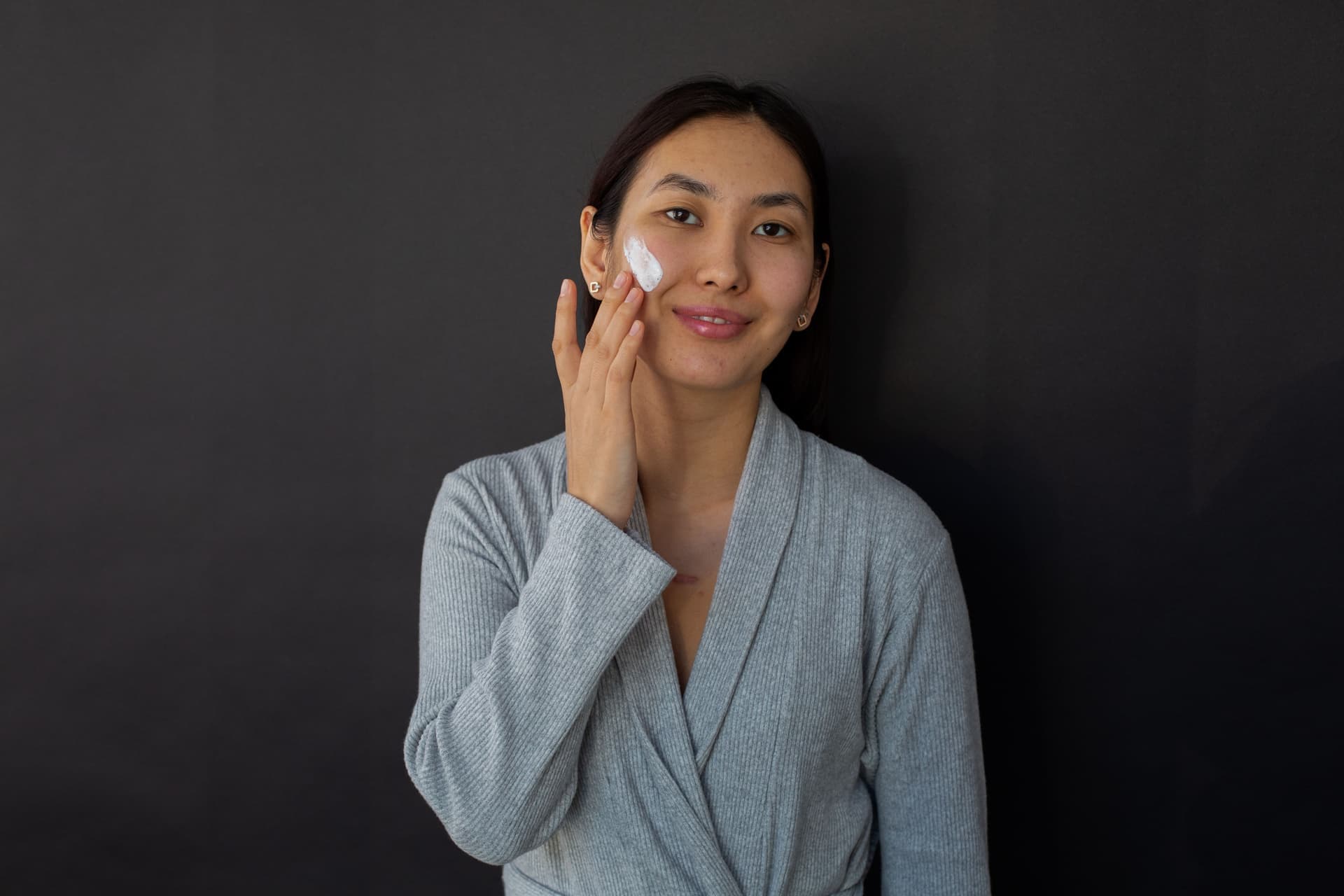
A woman applying moisturizer to her cheek during a daily skincare routine

Short answer

Most mature faces are combination, so the right answer is usually a mattifying primer on the T-zone and a hydrating one — or just moisturizer — everywhere else. Choosing one finish for the whole face is what produces either a papery surface or a sliding one.

By Brijon M. · Last updated October 2, 2026

Our picks at a glance

Our picks at a glance, ranked. Select a row to read that product's full write-up.
#ProductBest forPrice
1
A plain white cosmetic bottle on a neutral beige background

Clinique Even Better Foundation Primer

The matte primer to use if you need one, and it is here with its boundaries attached.

Best mattifying, T-zone only
2
A plain white cosmetic bottle on a neutral beige background

Merit Great Skin Priming Moisturizer

The hydrating half of the pair, and honest about being a moisturizer as well — which is the right shape, because for most mature skin the hydrating primer step and the moisturizer step are the same step.

Best hydrating
3
A plain white cosmetic bottle on a neutral beige background

Hourglass Veil Mineral Primer SPF 15

The useful compromise if you genuinely want one product: a mineral primer with a dry-touch finish that takes shine down without the absorbent powders and drying alcohols a dedicated mattifier uses.

Best middle ground
4
A plain white cosmetic jar photographed on a neutral studio background

Hourglass Veil Translucent Setting Powder

The honest alternative to buying a mattifying primer at all.

Best alternative to mattifying primer

Prices live on Amazon and change constantly, so this site does not print a number it cannot verify. Every button goes to the current listing.

Why this is hard over 50

The standard framing of this question is wrong for this audience. It asks you to identify as oily or dry and buy accordingly, which works on a younger face where the whole surface tends to behave the same way. On mature skin it usually does not: sebum production falls unevenly, so a very common pattern is an oily nose and chin with dry cheeks and a dry area around the mouth and eyes.

Buying a mattifying primer for that face makes three-quarters of it papery to solve one shiny strip. Buying a hydrating primer for it leaves the nose shining by 11am. Both outcomes are the predictable result of treating a face as one surface.

What mattifying primers actually do is absorb oil, using silica, clay or starch powders, and sometimes they add a drying alcohol to accelerate the effect. That is a genuinely useful mechanism where there is oil to absorb. Where there is not, it pulls at the surface and makes texture more visible, because a dry surface scatters light less evenly and every dip reads sharper.

What hydrating primers do is hold water at the surface so your foundation does not dry out from underneath and your skin does not drink it. That is what stops foundation grabbing at dry patches. On an oily area it is one more slippery layer for the foundation to move on.

So the honest advice is to stop choosing and start placing. The oily skin page and the dry skin page both arrive at the same conclusion from opposite directions: treat the areas separately, and pick your foundation for the larger area rather than the shinier one.

The decision table

CriterionMattifying primerHydrating primer
MechanismAbsorbs oil with silica, clay or starchHolds water with humectants plus an emollient
Where it belongs on a mature faceNose, chin, center foreheadCheeks, around the eyes and mouth, jaw
Effect on textureMakes it more visible — a dry surface scatters light less evenlySoftens it by plumping the skin either side of a line
Effect on wearExtends it on oily areasNeutral; improves evenness rather than longevity
Risk if used all overPapery surface, emphasized texture, tight feel by afternoonShine by late morning on the T-zone; foundation slides
Fine linesMakes them read sharperMakes them read softer
Can you skip it?Often — blotting paper and a light powder do much of the same workOften — a good moisturizer with two minutes to absorb usually suffices

The picks in full

A plain white cosmetic bottle on a neutral beige background
Best mattifying, T-zone only

Clinique Even Better Foundation Primer

primer · Mid price band

A matte-finish primer with plant extracts, aimed at reducing the look of pores.

The matte primer to use if you need one, and it is here with its boundaries attached. Across the nose, chin and center forehead it buys several hours before shine shows, and it is fragrance-free, which matters because mature skin that is oily is often reactive too. Used as a targeted product it is genuinely useful.

How it handles

Tube with a screw cap.

What to know

Across the whole face it is drying on mature skin and it emphasizes texture at the edges. This is a strip-of-face product, not a face product.

A plain white cosmetic bottle on a neutral beige background
Best hydrating

Merit Great Skin Priming Moisturizer

primer · Premium price band

A moisturizer-primer hybrid with a hydrating, non-mattifying finish.

The hydrating half of the pair, and honest about being a moisturizer as well — which is the right shape, because for most mature skin the hydrating primer step and the moisturizer step are the same step. It leaves a hydrated rather than slippery surface, so foundation stops grabbing at dry cheeks.

How it handles

Pump bottle. One container does the job of two, which is one fewer lid to open.

What to know

Premium price, and it duplicates your moisturizer by design. On an oily T-zone it is the wrong product.

A plain white cosmetic bottle on a neutral beige background
Best middle ground

Hourglass Veil Mineral Primer SPF 15

primer · Premium price band

A mineral primer that smooths texture, with a dry-touch finish.

The useful compromise if you genuinely want one product: a mineral primer with a dry-touch finish that takes shine down without the absorbent powders and drying alcohols a dedicated mattifier uses. On combination skin it can be used more widely than a true matte primer without making the cheeks papery.

How it handles

Squeeze tube.

What to know

Premium price, and it is still too drying for genuinely dry cheeks. Mild oil control rather than strong.

A plain white cosmetic jar photographed on a neutral studio background
Best alternative to mattifying primer

Hourglass Veil Translucent Setting Powder

setting powder · Premium price band

A very finely milled translucent powder with a low-weight, soft-focus finish.

The honest alternative to buying a mattifying primer at all. Blot the oil off the T-zone during the day and press a very small amount of this on, and you get the same result at the time you actually need it, with no mattifying film sitting near your smile lines all morning.

How it handles

Jar with a sifter.

What to know

Loose powder in a sifter jar, so it spills if your grip slips. Premium price for a translucent powder.

Which should you pick?

Oily nose and chin, dry or normal cheeks — the most common mature pattern: mattifying on the T-zone, moisturizer or a hydrating primer everywhere else. Two products, placed.

Dry everywhere: hydrating, or just a better moisturizer with two minutes to absorb. Nothing mattifying near your face.

Oily everywhere, which is less common over 50 but real: mattifying across the center, satin foundation, and powder only after blotting. See best foundation for mature oily skin.

Fine lines are your main concern: hydrating. Mattifying makes a line read sharper, which is the opposite of the goal.

You want one product and no decisions: a mineral primer with a dry-touch finish, used across the center of the face only.

Your skin feels tight by lunchtime: whatever you are using is too mattifying, even if you thought you were oily. Stripped skin frequently produces more oil in response, and the cycle reads as 'my skin got oilier'.

The over-correction trap

This is worth a section because it catches people for months and the symptom looks like the opposite of the cause.

Mattifying products remove surface oil. Remove enough of it, often enough, and the barrier is compromised — it holds less water and it is less protected. Skin frequently responds by producing more sebum, and the surface ends up both dehydrated underneath and oilier on top.

What that feels like is confusing: tight and shiny at the same time, with makeup sliding off a face that also feels dry. The instinct is to mattify harder, which continues the cycle.

The way out is to stop mattifying for a couple of weeks, hydrate properly, and manage shine mechanically instead — blot the oil off with paper, then press on a very small amount of finely milled powder. Blotting removes oil without stripping the barrier, which is the distinction that matters.

If shine genuinely persists once the skin is properly hydrated, then a targeted mattifying primer on the T-zone is a reasonable product to add back. The order matters: hydrate first, then control what is left.

Questions people ask

Should mature skin use a mattifying or hydrating primer?

Usually both, in different places — mattifying on the nose, chin and center forehead, hydrating or just moisturizer everywhere else. Most mature faces are combination, and choosing one finish for the whole face causes either a papery surface or a sliding one.

Does mattifying primer make wrinkles look worse?

It can. A drier surface scatters light less evenly, so every dip reads sharper — and a line in dehydrated skin is a sharper channel to begin with. If fine lines are your main concern, hydrating is the right direction.

Can mature skin be oily and dry at the same time?

Very commonly. Sebum production falls unevenly with age, so an oily nose and chin with dry cheeks is one of the most frequent patterns over 50. Treat the areas separately rather than buying for one of them.

Why does my skin feel tight but still look shiny?

Usually over-mattifying. Stripping surface oil repeatedly compromises the barrier, the skin holds less water, and it often produces more sebum in response — so you end up dehydrated underneath and oily on top. Stop mattifying for two weeks and hydrate properly.

Is blotting paper better than a mattifying primer?

For many people, yes. Blotting removes oil at the moment you actually have it, without a mattifying film sitting near your smile lines all morning. Blot first, then press on a very small amount of finely milled powder.

Where this comes from

How this page was put together. Picks are chosen by reading formulas, ingredient lists, packaging and dispensing design, and the reported experience of people with mature skin. Primer & Poise does not operate a laboratory, does not run a tester panel, and does not claim professional cosmetology, esthetics or medical credentials. Where a figure or a claim could not be verified, this page says so instead of filling the gap. Read the full selection method.

Sources