Of everything sold in the primer aisle, sun protection is the only thing with substantial long-term evidence behind it. Blurring softens texture for a few hours; sunscreen reduces the accumulation of the damage that produced the texture. If you are going to be persuaded to add one step to a routine, this is the step.
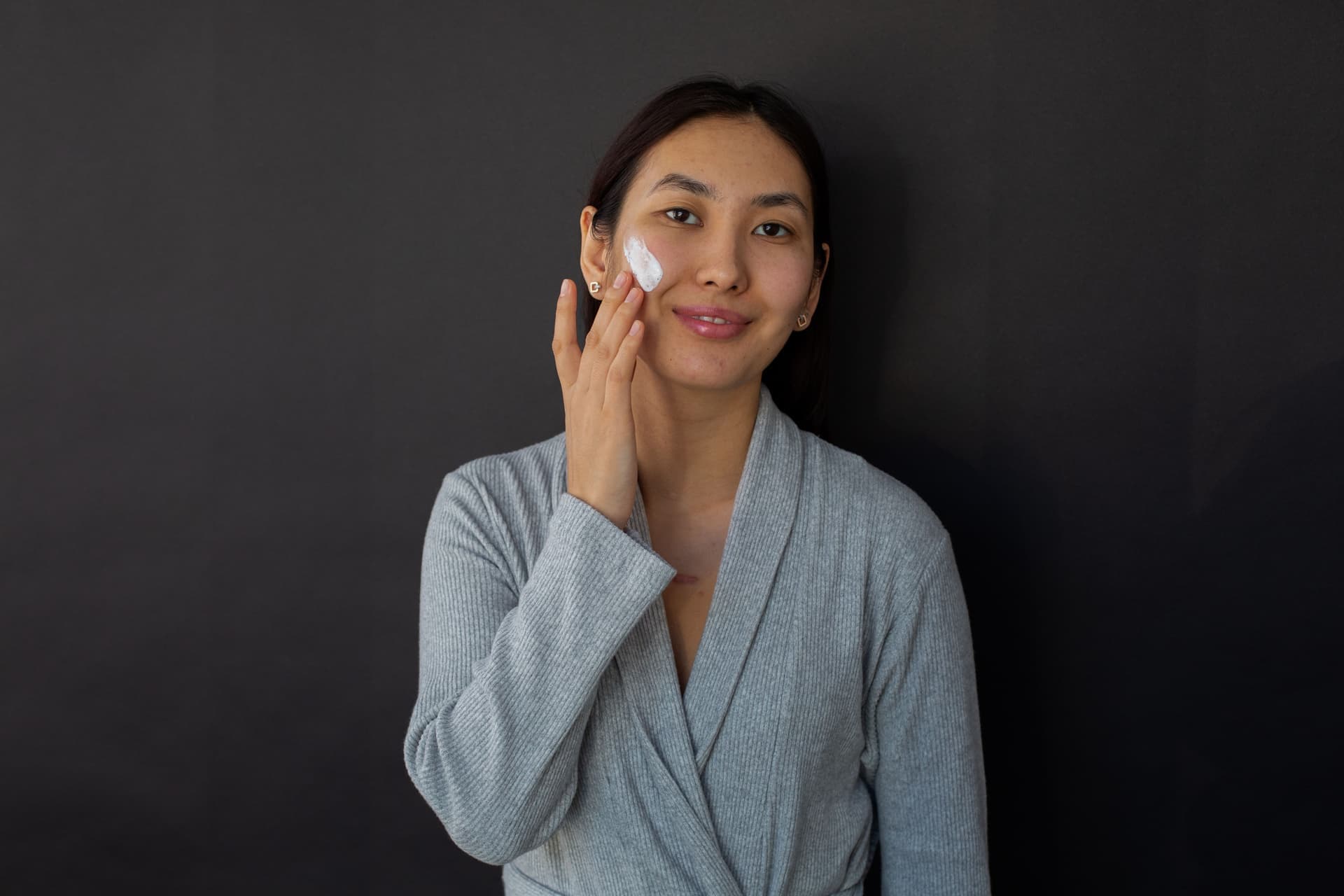
The problem is the arithmetic. An SPF rating is measured at 2 milligrams per square centimeter — roughly a quarter to a half teaspoon for a face, applied as a visible layer. Nobody applies a primer like that. Cosmetic application is typically a quarter to a third of the tested amount, and because the relationship is not linear, a thin layer of SPF 50 does not deliver anything like SPF 50. It delivers meaningful but much lower protection.
That does not make SPF primers pointless. It makes them a bonus rather than a plan. If you apply a dedicated sunscreen and then a primer that happens to carry SPF, you have belt and braces and the primer's number genuinely adds. If the primer is your only sun protection, you are getting some protection rather than the number on the tube — and that is still far better than nothing, which is what a lot of people over 50 are actually wearing.
The second thing worth understanding is filter type, because it changes who should buy which. Mineral filters — zinc oxide, titanium dioxide — sit on the surface and scatter UV. They are among the least reactive options available, which matters on thinned skin, and they can leave a slight white cast that is more noticeable on deeper tones. Chemical filters absorb UV and convert it, are invisible on all skin tones, and are the more common irritation culprit of the two.