Skip to content

#AdWe earn commission on qualifying purchases made through links on this page. It never changes what we pick or how it ranks. How this works.

Foundation

Cream foundation on dry, lined skin

Cream is the one high-coverage texture that does not dry out and crack. That is a narrow advantage and a real one.

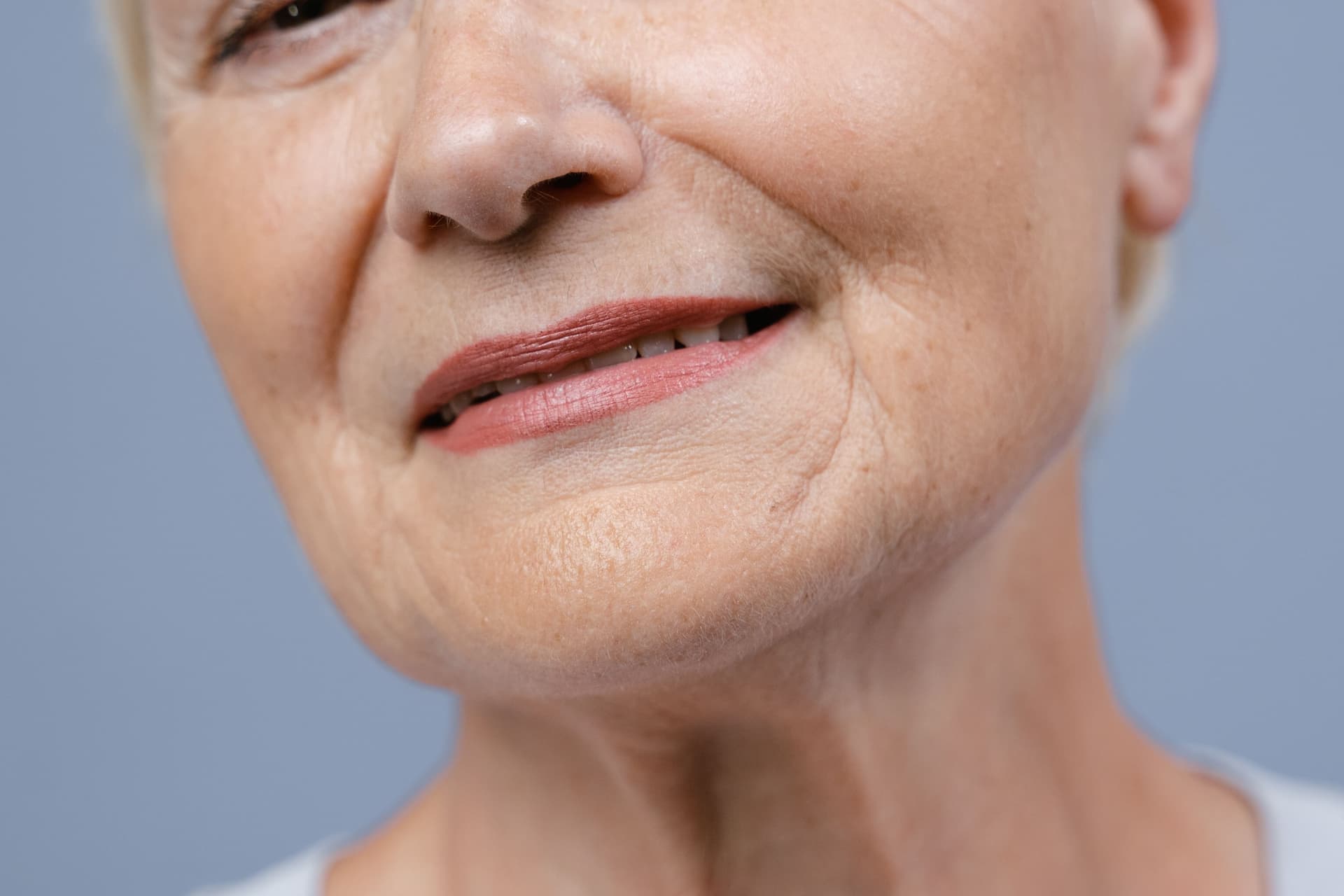
Close detail of an older woman's mouth and skin, showing natural lines and texture

Short answer

The IT Cosmetics CC+ Cream is the pick if you want cream texture with real coverage, and the Bobbi Brown Skin Foundation Stick if you want cream texture you can place precisely. Cream suits dry, thin, lined skin because it is emollient-heavy and stays flexible — and it is the wrong texture for an oily T-zone, where it slides by lunchtime.

By Brijon M. · Last updated October 9, 2026

Our picks at a glance

Our picks at a glance, ranked. Select a row to read that product's full write-up.
#ProductBest forPrice
1
A plain white cosmetic jar photographed on a neutral studio background

IT Cosmetics CC+ Cream Illumination SPF 50+

The pick because it is unambiguously a cream and it delivers the one thing cream is for: high coverage from a texture that does not dry out.

Best overall
2
A plain white cosmetic jar photographed on a neutral studio background

Bobbi Brown Skin Foundation Stick

Cream texture with precision, which is the combination this page argues for.

Best for placing coverage
3
A plain white cosmetic jar photographed on a neutral studio background

Ogee Sculpted Complexion Stick

The most emollient option here, and the right pick if your complaint is that foundation makes dry skin look drier.

Best for very dry skin
4
A plain white cosmetic jar photographed on a neutral studio background

Westman Atelier Vital Skin Foundation Stick

Here because it solves cream's other failure mode: a thick texture catching and pulling on thin skin.

Best for skin that drags
5
Cosmetic products arranged in a simple display in neutral tones

Real Techniques Miracle Complexion Sponge

On this page because the tool decides whether a cream works.

Best tool for a cream

Prices live on Amazon and change constantly, so this site does not print a number it cannot verify. Every button goes to the current listing.

Why this is hard over 50

Cream foundation is defined by what it is built on rather than how it is packaged, and getting that straight explains both why it suits mature skin and where it fails.

What makes a foundation a cream. It is an emulsion with a high proportion of oils, waxes and emollients and relatively little water, which is why it is thick at room temperature and why it warms and spreads under a finger or a sponge. A liquid foundation is the same chemistry with much more water: thinner, faster to set, less nourishing. A cream gives you more coverage per layer than a liquid of the same thickness, because there is more pigment and less water in the same volume.

Why that suits dry mature skin. Skin produces less sebum and holds less water with age, and a dry surface is the thing that makes foundation grab, dry unevenly and look like a plaque. An emollient-heavy texture brings its own fat to the surface, so it does not pull moisture out of the skin and it does not dry down hard. It stays soft, which means it moves when your face moves instead of cracking along a line.

Where it fails, clearly. On a face that still produces oil — most commonly the nose and chin — cream has nothing to set against. It thins, slides and collects wherever gravity and movement take it, which is usually the smile lines. No amount of powder fully fixes a cream that is sliding, because you are powdering the top of a layer that is moving underneath.

So the honest framing is: cream is a placement texture, not an all-over one. Put it where the skin is dry and lined, where you want real coverage from a thin layer, and keep it off the strip that shines. That is the opposite of how foundation is usually sold, and it is how every pick below is intended to be used.

One practical note about formats. Most cream foundations now ship as twist-up sticks rather than pots, because a stick is cleaner, dispenses without a tool and does not dry out. The texture is the same; the container is better. If what you actually want is the *format* — one-handed, nothing to pump, nothing to spill — that is covered properly on best foundation stick for mature skin. This page is about the texture and what it does on your skin.

The picks in full

A plain white cosmetic jar photographed on a neutral studio background
Best overall

IT Cosmetics CC+ Cream Illumination SPF 50+

cc cream · Mid price band

A thick, full-coverage color-correcting cream with SPF 50+ and a luminous finish.

The pick because it is unambiguously a cream and it delivers the one thing cream is for: high coverage from a texture that does not dry out. A thick, full-coverage color-correcting cream with mineral SPF 50+ and a luminous finish covers discoloration in a single layer, brings its own hydration, and carries the sun protection most people over 50 are not otherwise applying. The luminous finish is doing real work at this opacity — a full-coverage matte would read as a mask, where light moving across the surface keeps it reading as skin.

How it handles

Squeeze tube with a screw cap. The tube needs a real squeeze, and that gets harder as it empties.

What to know

It is genuinely thick, and thick is what a lined face tolerates worst, so it must go on in a thinner layer than the tube invites — warm it on the back of your hand first. The squeeze tube with a screw cap needs a real squeeze that gets harder as it empties, which is poor packaging for sore hands, and the full coverage is more than most faces need everywhere.

A plain white cosmetic jar photographed on a neutral studio background
Best for placing coverage

Bobbi Brown Skin Foundation Stick

foundation stick · Premium price band

A creamy twist-up stick with medium, buildable coverage and a natural, skin-like finish.

Cream texture with precision, which is the combination this page argues for. A creamy twist-up stick with medium buildable coverage and a natural, skin-like finish lets you draw coverage onto the three or four places that need it and leave the rest of the face bare — so you get cream's coverage-per-layer advantage without cream everywhere. It can be drawn straight onto the face one-handed with nothing to pump and nothing to pour.

How it handles

Twist-up stick — nothing to pump and nothing to pour, and it can be drawn straight onto the face one-handed.

What to know

Premium price, and a stick is less even than a liquid if you do want uniform all-over coverage. The natural finish shows shine on an oily T-zone by mid-afternoon, which is the general cream problem rather than a fault of this one.

A plain white cosmetic jar photographed on a neutral studio background
Best for very dry skin

Ogee Sculpted Complexion Stick

foundation stick · Premium price band

A creamy, oil-rich foundation stick with light-to-medium buildable coverage and a skin-like finish, built on jojoba, coconut and sunflower oils plus waxes.

The most emollient option here, and the right pick if your complaint is that foundation makes dry skin look drier. It is a creamy, oil-rich stick built on jojoba, coconut and sunflower oils plus waxes, with light-to-medium buildable coverage and a skin-like finish — an oil-led formulation is exactly what a thin, thirsty surface wants, and it spreads without dragging. Drawn straight onto the face with no dispensing step at all.

How it handles

Twist-up stick, drawn straight onto the face one-handed with no dispensing step.

What to know

Premium price, light-to-medium coverage only, and an oil-rich formula is the worst possible choice for an oily or congested area — keep it to the cheeks. An oil-led base also needs a genuine set on the nose if you wear it there.

A plain white cosmetic jar photographed on a neutral studio background
Best for skin that drags

Westman Atelier Vital Skin Foundation Stick

foundation stick · Premium price band

A balm-textured stick that buffs out to light-to-medium coverage with a satin finish, built around not dragging on skin.

Here because it solves cream's other failure mode: a thick texture catching and pulling on thin skin. This is a balm-textured stick built specifically around not dragging, which buffs out to light-to-medium coverage with a satin finish — so you get the emollient benefit with a lighter hand than a true cream asks for. The wide barrel can be held in a fist rather than pinched, which is the single most useful thing about it for a painful hand.

How it handles

Twist-up stick with a wide barrel you can hold in a fist rather than a pinch.

What to know

Premium pricing and a small range, so it cannot be your only source. A satin finish is less covering than the IT Cosmetics cream and shows shine on an oily strip, and buildable coverage means it is easy to apply more than you need.

Cosmetic products arranged in a simple display in neutral tones
Best tool for a cream

Real Techniques Miracle Complexion Sponge

tool · Drugstore price band

A latex-free blending sponge with a flat edge and a rounded base.

On this page because the tool decides whether a cream works. A cream applied with a dry brush is dragged across the lines and bridges over them; the same cream pressed with a damp sponge is thinned as it goes and pushed into the surface. A latex-free sponge with a flat edge and a rounded base does both jobs for a few dollars, and it is held in the palm rather than pinched, so it asks nothing of the finger joints.

How it handles

Held in the palm rather than pinched, which is why a sponge is often easier than a brush with sore finger joints.

What to know

It has to be damp, which means squeezing it out, and it absorbs some product — with a cream that matters more than with a liquid. Wash it weekly; a damp sponge loaded with an emollient base is the item in your kit most worth cleaning on a schedule.

Cream, liquid or powder — which texture is yours?

Dry, thin, lined skin that drinks foundation: cream. This is the case the texture exists for, and nothing else gives coverage without drying down.

Combination skin — dry cheeks, oily nose and chin: cream on the cheeks, something else on the strip. Treating the whole face as one surface is what makes people conclude cream does not work for them.

Genuinely oily skin: not cream. A cream has nothing to set against and will have moved by lunchtime. See best foundation for mature oily skin.

You want coverage but hate the feeling of product: a cream stick placed in three spots beats a sheer liquid spread everywhere, because most of your face stays bare.

You want the lightest possible layer: a serum, not a cream. Cream's advantage is coverage per layer; if you do not want coverage, you are paying a texture penalty for nothing — see best serum foundation for mature skin.

Texture and large pores are the main complaint: a cream-to-powder or baked powder diffuses light better than a cream does. A cream is slightly reflective and will sit in an open pore rather than blurring it.

Uneven hue rather than uneven coverage: the texture is not your problem. A base built to neutralize redness or sallowness will do more than a richer one — see best color correcting foundation for mature skin.

Your hands are the deciding factor: a twist-up stick, and buy on barrel width. Wide beats slim, and both beat a pot you need two hands to open.

How to apply a cream foundation so it stays put

Moisturize and wait two full minutes. A cream applied onto a surface that is still wet mixes with the moisturizer and goes on much thicker than intended.

Warm it before it touches your face. A pea of cream worked on the back of your hand, or a stick stroke allowed to soften for a second, spreads in a thin even film. Cold cream applied straight onto a cheek goes on as a patch you then have to work out.

Place it, do not spread it. Three or four short strokes on the areas that need coverage — the center of the cheeks, the sides of the nose, anywhere discolored — and buff outward from there. The jaw, hairline and neck need nothing, which is also what keeps cream off your collar.

Press with a damp sponge; never sweep with a dry brush. Pressing thins the layer and seats it. Sweeping drags an emollient texture across your lines and leaves a bead of it in each one.

Set the strip that shines, and only that. A trace of finely milled powder on the nose and chin. Powder across dry cheeks undoes the reason you chose a cream.

Repair at midday with a sponge rather than more product. Press a clean damp sponge over anything that has collected. Adding cream on top of cream that has already moved is how an afternoon face goes wrong.

What we have and haven't established

The texture argument here is ordinary formulation chemistry: a cream foundation is an emulsion with a high oil, wax and emollient fraction and little water, which gives more pigment per unit volume than a liquid and leaves a film that stays soft rather than drying hard. That a soft film creases less visibly on skin that moves, and that an emollient texture suits a surface producing little sebum, are the mechanical premises the rest of this site rests on.

The product facts — coverage levels, finishes, which oils an oil-led stick is built on, SPF type and level, barrel widths and dispensing mechanisms — come from the manufacturer and retailer listings cited below. Current availability was checked before any of these products was featured here.

What we have not done is lab-test these creams, measure film thickness or coverage, time how long each lasts on an oily T-zone, or run a tester panel. There is no laboratory and no panel behind this site. Where a pick is called the most emollient or the least dragging, that is a conclusion from its stated formulation, not a measurement we took.

One product deliberately has no buy row: the Seint IIID cream foundation palette is a genuine cream and a genuinely interesting approach — color placed in sections rather than applied as one flat shade — but it is sold only through the brand's own artist channel rather than general retail, so there is no honest retail link to give you. It is reviewed on its own terms in our Seint review.

What we'd skip

Cream foundation across a whole oily or combination face. It will have slid into your smile lines by early afternoon, and powdering the top of a moving layer does not stop it.

Cream foundation in a screw-top pot, if your hands are sore. The texture is fine; the container means two hands and a tool every morning, and that is the product that stops getting used.

Cream applied with a dry dense brush. It is the application that produces the plaque look people blame the texture for.

Full-coverage cream everywhere because you have discoloration in three places. Place it on the three places. The rest of your face does not need it, and the contrast between covered and bare is less visible than the edge of an all-over layer.

Cream over a silicone blurring primer, unless you have tested it. A water-and-oil cream over a hydrophobic silicone film is one of the more reliable ways to get pilling — see why primer pills.

Questions people ask

Is cream foundation good for mature skin?

On dry, thin, lined skin, yes — it is emollient-heavy, gives real coverage from a thin layer and stays flexible instead of drying hard. On an oily T-zone it slides, so most mature faces want it on the cheeks and something else on the strip that shines.

Is cream or liquid foundation better over 60?

Cream if your skin is dry and you want coverage; liquid or serum if your skin is oilier or you want the thinnest possible layer. Cream's advantage is coverage per layer, so if you do not want coverage you are carrying the texture for no benefit.

Does cream foundation settle into wrinkles?

Less than a longwear matte liquid does, because it stays soft rather than curing hard — but more than a serum if you apply too much. Quantity decides this more than texture: a thin pressed layer of cream does not settle, and a thick one does.

Are foundation sticks the same as cream foundation?

Essentially yes. A stick is cream texture in a twist-up container, which is cleaner, needs no tool and does not dry out. If you want the format rather than the texture, see our foundation stick page.

How do you apply cream foundation over 50?

Moisturize and wait two minutes, warm the product on the back of your hand, place it only where you need coverage, then press it in with a damp sponge rather than sweeping with a brush. Set the nose and chin only.

Do you need powder with a cream foundation?

Only on the areas that produce oil, and only a trace of something finely milled. Powdering dry cheeks removes the reason you chose a cream in the first place.

Where this comes from

How this page was put together. Picks are chosen by reading formulas, ingredient lists, packaging and dispensing design, and the reported experience of people with mature skin. Primer & Poise does not operate a laboratory, does not run a tester panel, and does not claim professional cosmetology, esthetics or medical credentials. Where a figure or a claim could not be verified, this page says so instead of filling the gap. Read the full selection method.

Sources