Skip to content

Guides

Is powder foundation bad for mature skin?

No, and the blanket rule that says otherwise is mixing up two very different products.

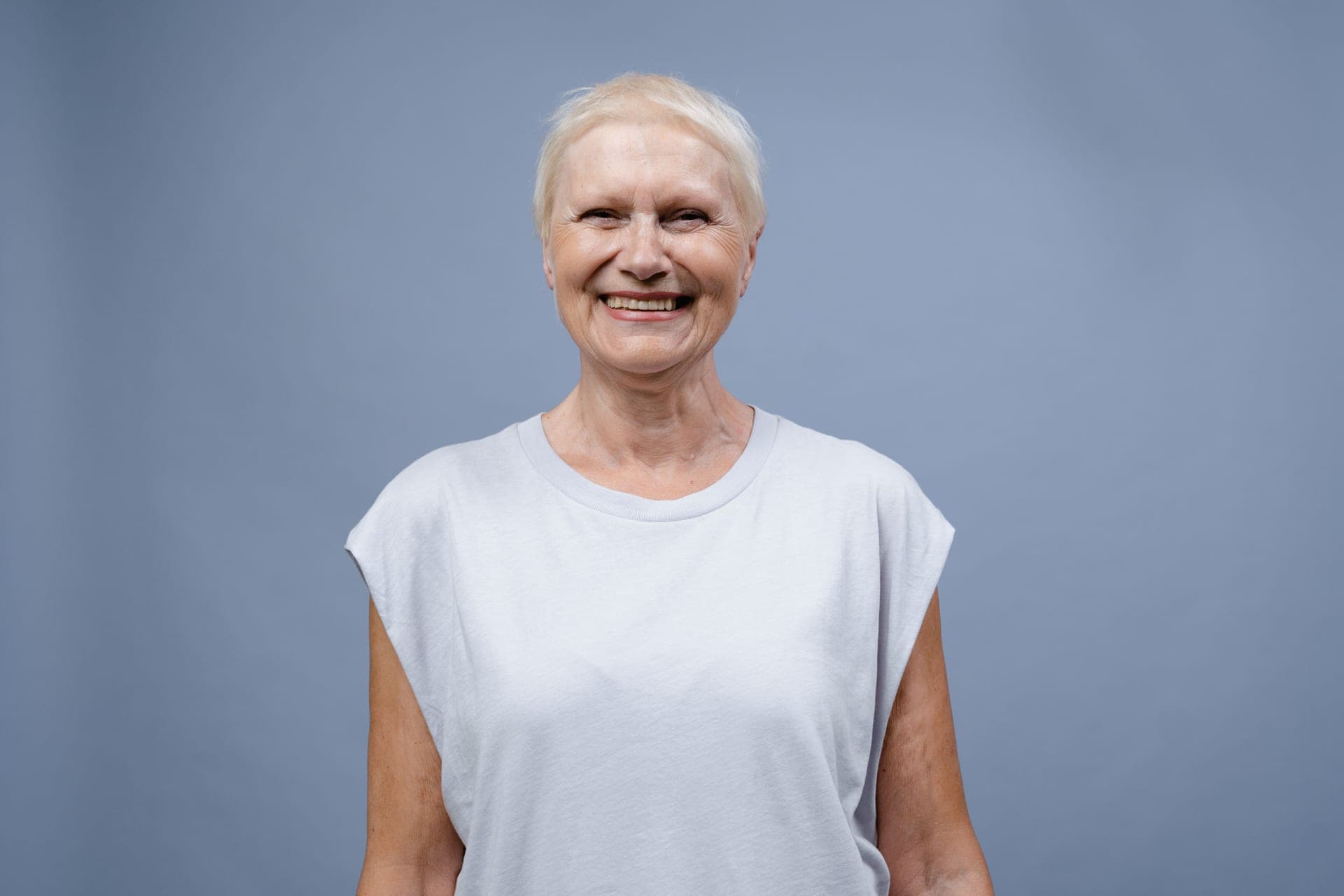
A smiling senior woman with short white hair, photographed against a plain studio backdrop

Short answer

No. A baked or pressed powder foundation applied with a damp sponge goes on like a cream and sets thin, and it suits textured mature skin well. What is genuinely bad is loose mineral powder buffed on dry with a brush, which settles into lines and reads chalky. The format is not the problem; the application is.

By Brijon M. · Last updated October 5, 2026

Our picks at a glance

Our picks at a glance, ranked. Select a row to read that product's full write-up.
#ProductBest forPrice
1
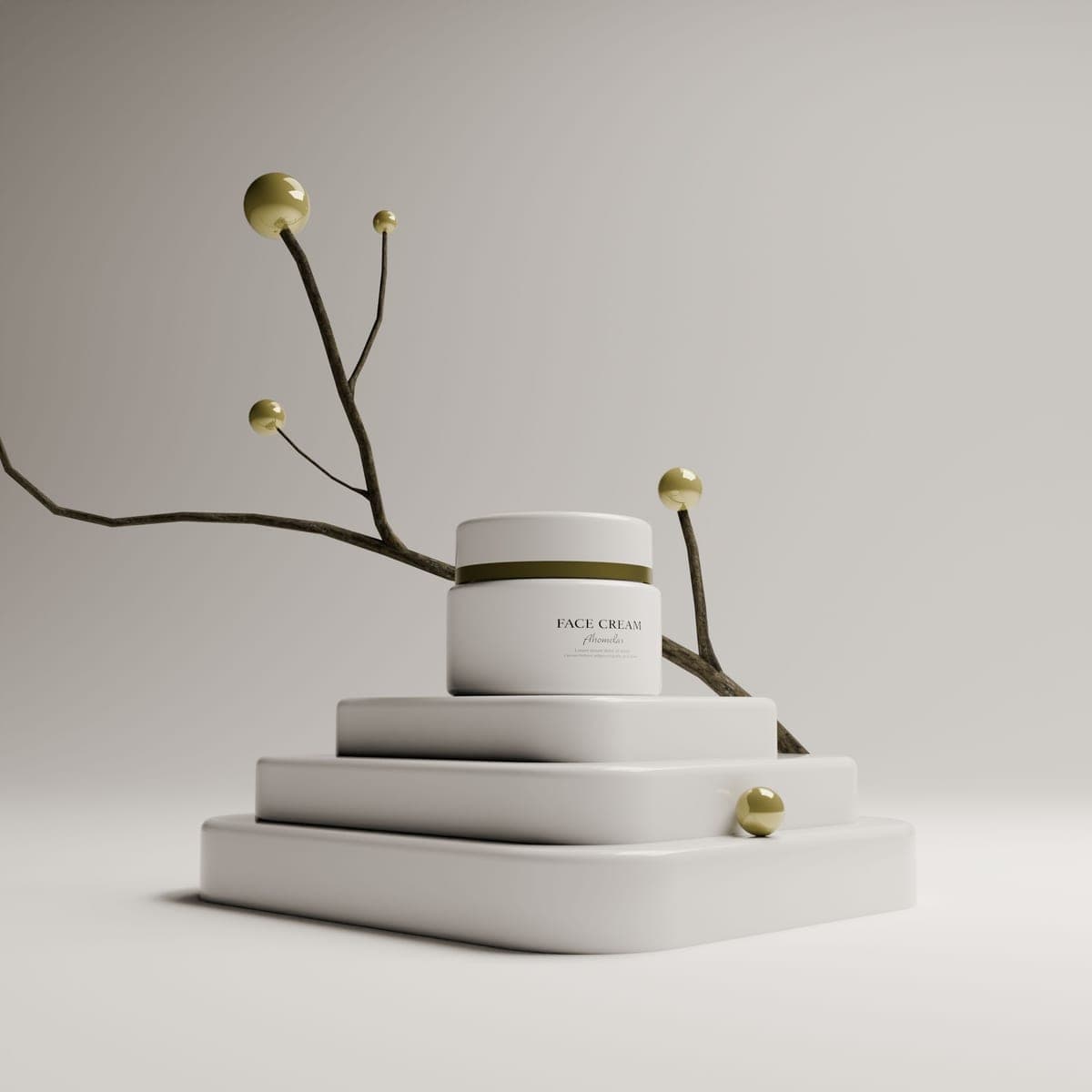
A plain white cosmetic jar photographed on a neutral studio background

Laura Geller Baked Balance-n-Brighten Color Correcting Foundation

The product that makes the argument on this page.

Best powder foundation for mature skin
2
A plain white cosmetic jar photographed on a neutral studio background

Hourglass Veil Translucent Setting Powder

On the list because half the people searching this question mean setting powder rather than powder foundation.

Best setting powder, if that is what you wanted
3
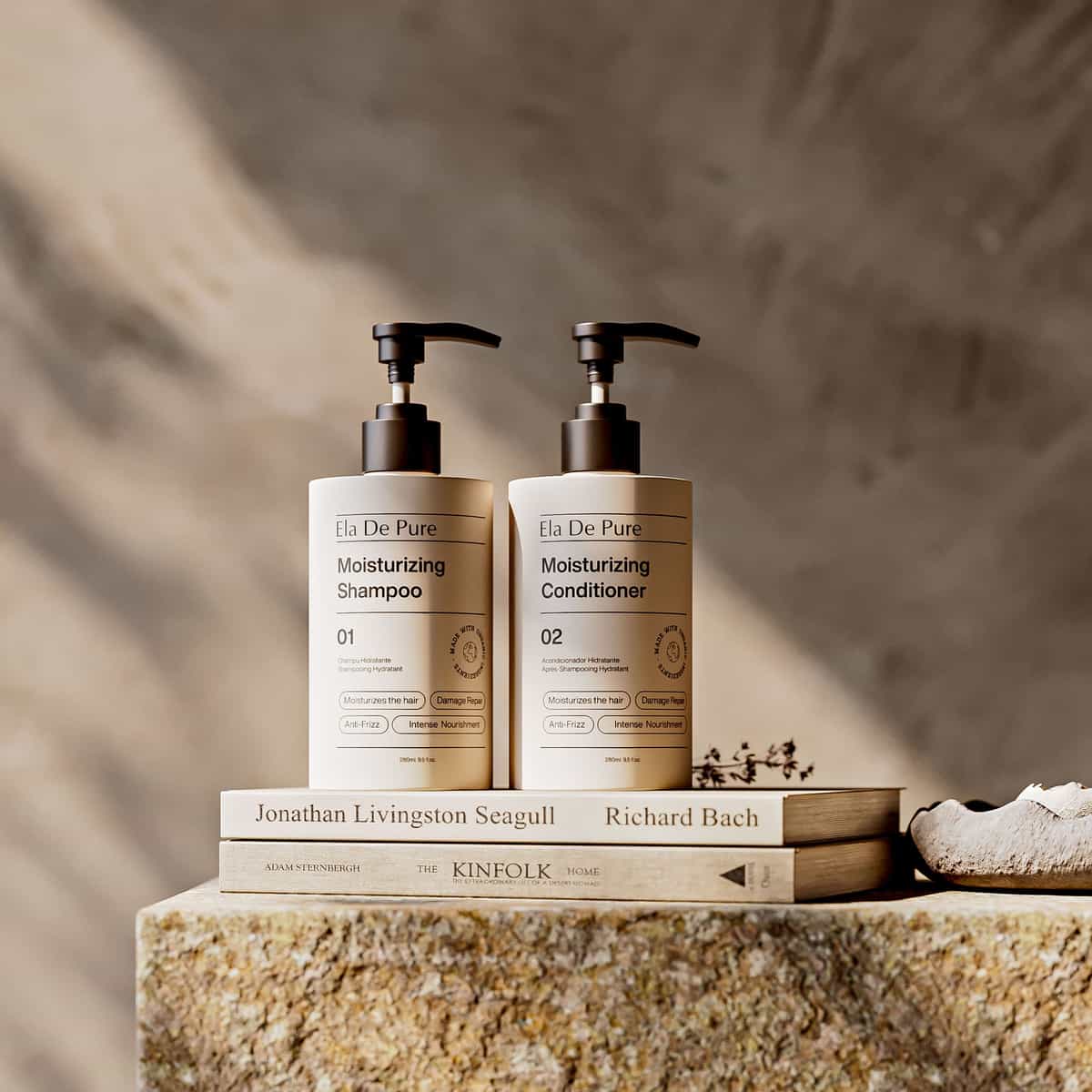
Cosmetic products arranged in a simple display in neutral tones

Real Techniques Everyday Essentials Brush Set

If you are going to apply powder dry, the tool matters more than usual: you want a dense brush that presses rather than a loose one that dusts.

Best brushes if you prefer dry application
4
A plain white cosmetic jar photographed on a neutral studio background

Westman Atelier Vital Skin Foundation Stick

The honest alternative for dry mature skin, which is the case where the blanket rule is right.

Best alternative if powder isn't for you

Prices live on Amazon and change constantly, so this site does not print a number it cannot verify. Every button goes to the current listing.

Why this is hard over 50

The advice that mature skin must avoid powder is one of the most repeated rules in this category, and it is wrong as stated — because it treats three different products as one thing.

Powder foundation is not setting powder and not loose mineral powder. A baked or pressed powder foundation is a pigmented base in a pan, typically with emollients in it, that can be applied damp and goes on like a cream. A setting powder is a largely translucent finishing product applied over a liquid base. Loose mineral powder foundation is dry, finely divided pigment buffed on with a brush. Those behave completely differently on a lined face, and the blanket rule comes from the last of the three.

Here is what is true. Dry powder buffed onto dry, textured skin is genuinely unflattering: it settles into fine lines, it emphasizes the texture it falls into, it reads chalky, and on skin that produces little oil it has nothing to bind to. If that is your experience of powder foundation, the rule matched your product.

And here is what is also true, and almost never said. A baked powder foundation applied with a damp sponge is one of the better bases available for textured mature skin. The water turns the pigment into a cream on contact, so it goes on as a thin flexible film rather than as dust, and it sets demi-matte rather than flat. It does not need a separate setting step, which removes a layer from the stack. And the packaging is the easiest in complexion makeup — a pan in a compact with nothing to pump, no cap to twist and nothing to spill, which matters a great deal with arthritic hands.

The honest summary: powder foundation is a good option for combination or oily mature skin and for anyone who finds bottles and pumps difficult, and a poor option for genuinely dry, flaky skin regardless of how it is applied. The deciding variable is how much water your skin has, not how old it is.

The picks in full

A plain white cosmetic jar photographed on a neutral studio background
Best powder foundation for mature skin

Laura Geller Baked Balance-n-Brighten Color Correcting Foundation

powder foundation · Mid price band

A baked powder foundation that goes on creamy and sets demi-matte, with buildable light-to-medium coverage.

The product that makes the argument on this page. A baked powder foundation that goes on creamy and sets demi-matte, with buildable light-to-medium coverage and a color-correcting element that works on uneven tone — applied with a damp sponge it is a thin flexible film, not dust. The compact is the easiest complexion container in this registry to handle: nothing to pump, no cap to twist, nothing to spill.

How it handles

A pan in a compact — nothing to pump, no cap to twist and nothing to spill. Applied with the supplied sponge or a brush.

What to know

It still needs a hydrated surface — on flaky skin it will cling. The shade range is narrower than the liquids, and the supplied sponge should be replaced with a proper blending sponge used damp.

A plain white cosmetic jar photographed on a neutral studio background
Best setting powder, if that is what you wanted

Hourglass Veil Translucent Setting Powder

setting powder · Premium price band

A very finely milled translucent powder with a low-weight, soft-focus finish.

On the list because half the people searching this question mean setting powder rather than powder foundation. If you use a liquid base and want to set it, a very finely milled low-weight translucent powder is the version that does not build a visible second film — and it should go on the T-zone only, pressed with a small brush rather than swept across the face.

How it handles

Jar with a sifter.

What to know

Premium price for a product used in trace amounts. The sifter jar needs two hands and spills if your grip slips. It adds no coverage at all.

Cosmetic products arranged in a simple display in neutral tones
Best brushes if you prefer dry application

Real Techniques Everyday Essentials Brush Set

tool · Drugstore price band

A face brush set with moulded aluminum handles and a standing base.

If you are going to apply powder dry, the tool matters more than usual: you want a dense brush that presses rather than a loose one that dusts. Thicker handles than a typical artist brush and a standing base make the set easier to grip and easier to find without looking closely — both of which matter here, because powder applied with a shaky sweeping motion is what produces a patchy result.

How it handles

Handles are thicker than a typical artist brush, and the set stands upright so you are not fishing a brush out of a pot.

What to know

Molded aluminum handles are thicker but still round, so the pinch grip is reduced rather than removed. Dry application remains second-best to a damp sponge on textured skin.

A plain white cosmetic jar photographed on a neutral studio background
Best alternative if powder isn't for you

Westman Atelier Vital Skin Foundation Stick

foundation stick · Premium price band

A balm-textured stick that buffs out to light-to-medium coverage with a satin finish, built around not dragging on skin.

The honest alternative for dry mature skin, which is the case where the blanket rule is right. A balm-textured stick buffs out to light-to-medium coverage with a satin finish and is built around not dragging on skin — it delivers the same low-fuss, no-bottle convenience a compact does, with none of the dryness risk. The wide barrel can be held in a fist.

How it handles

Twist-up stick with a wide barrel you can hold in a fist rather than a pinch.

What to know

Premium price, and a stick is less even across a whole face than a liquid or a powder. The satin finish shows shine on an oily T-zone by mid-afternoon.

When powder foundation works well over 50

When your skin still produces oil. Powder absorbs oil where there is oil to absorb, so on a combination or oily mature face it does two jobs — coverage and shine control — from one layer. That is a thinner stack than liquid plus setting powder.

When you apply it damp. A damp sponge is the whole difference. It turns pigment into a cream, presses it into the surface instead of letting it sit in the lines, and halves how much you use.

When handling is the constraint. A compact is the single easiest complexion format to open and use with weak, sore or unsteady hands, and nothing in it can spill. For some people that outweighs every finish consideration on this page.

When you want buildable coverage in specific places. Powder builds in thin increments. Two passes over an age spot and one pass everywhere else is easy with a pan and a sponge, and fiddly with a liquid.

When you travel or touch up. A compact in a handbag with the sponge inside it needs no mirror-plus-bottle-plus-tool arrangement at the sink.

When to avoid it

Genuinely dry or flaky skin. Powder has nothing to bind to and will cling to the flakes. Hydrate for a couple of weeks first and reconsider, or use a serum foundation instead.

Deep lines you are trying to de-emphasize. Even applied damp, powder in a deep crease dries lighter than the skin beside it. Keep it out of the smile lines specifically.

Over a dewy liquid base. This is the combination that produces the cakey look people blame powder for — two films, one of which had not set.

With a dry brush on a dry day. If you buff powder on dry, you are using the product the blanket rule was written about.

If you want a luminous finish. Demi-matte is the best a powder will do. For radiance you need a serum or a tinted moisturizer — see best serum foundation.

What we have and haven't established

The distinction at the center of this page is a factual one about product categories: baked and pressed powder foundations, translucent setting powders and loose mineral foundations are different products with different binders and different application methods, and they behave differently on textured skin. That is checkable from any product listing.

The application claim — that water turns a baked pigment into a cream that presses into the surface, rather than dust that falls into it — is the documented intended use of that format, and it is why these products are sold with a sponge.

What we have not done is lab-test any of these products, measure film thickness, compare finishes under controlled light, or run a panel. Formats, finishes, coverage, milling and packaging come from the manufacturer and retailer listings cited below.

Whether powder suits you depends mostly on your skin's hydration and oil production, both of which change with season, climate and medication. The useful test is one cheek, damp sponge, and a look in daylight four hours later.

Questions people ask

Is powder foundation bad for mature skin?

Not inherently. A baked or pressed powder foundation applied with a damp sponge sets thin and suits textured skin. Loose mineral powder buffed on dry is the version that settles into lines and reads chalky, and that is where the blanket rule comes from.

Does powder make wrinkles look worse?

It can, if it is dry, coarse or used in quantity — powder that falls into a line dries lighter than the skin beside it. Applied damp, finely milled and kept out of deep creases, it does not.

Should I use powder foundation or liquid over 60?

Powder if your skin still produces oil or if bottles and pumps are hard to handle. Liquid or a serum if your skin is dry or flaky. Hydration level decides this, not age.

Can you apply powder foundation with a damp sponge?

With a baked or pressed powder foundation, yes — that is the intended method and it is what makes the format work on mature skin. Water turns the pigment into a cream that presses into the surface rather than sitting in the lines.

Do I need setting powder if I use powder foundation?

Generally no. A powder foundation already sets demi-matte, and adding a second powder over it is the stack that produces a dry, cakey finish.

Where this comes from

How this page was put together. Picks are chosen by reading formulas, ingredient lists, packaging and dispensing design, and the reported experience of people with mature skin. Primer & Poise does not operate a laboratory, does not run a tester panel, and does not claim professional cosmetology, esthetics or medical credentials. Where a figure or a claim could not be verified, this page says so instead of filling the gap. Read the full selection method.

Sources